
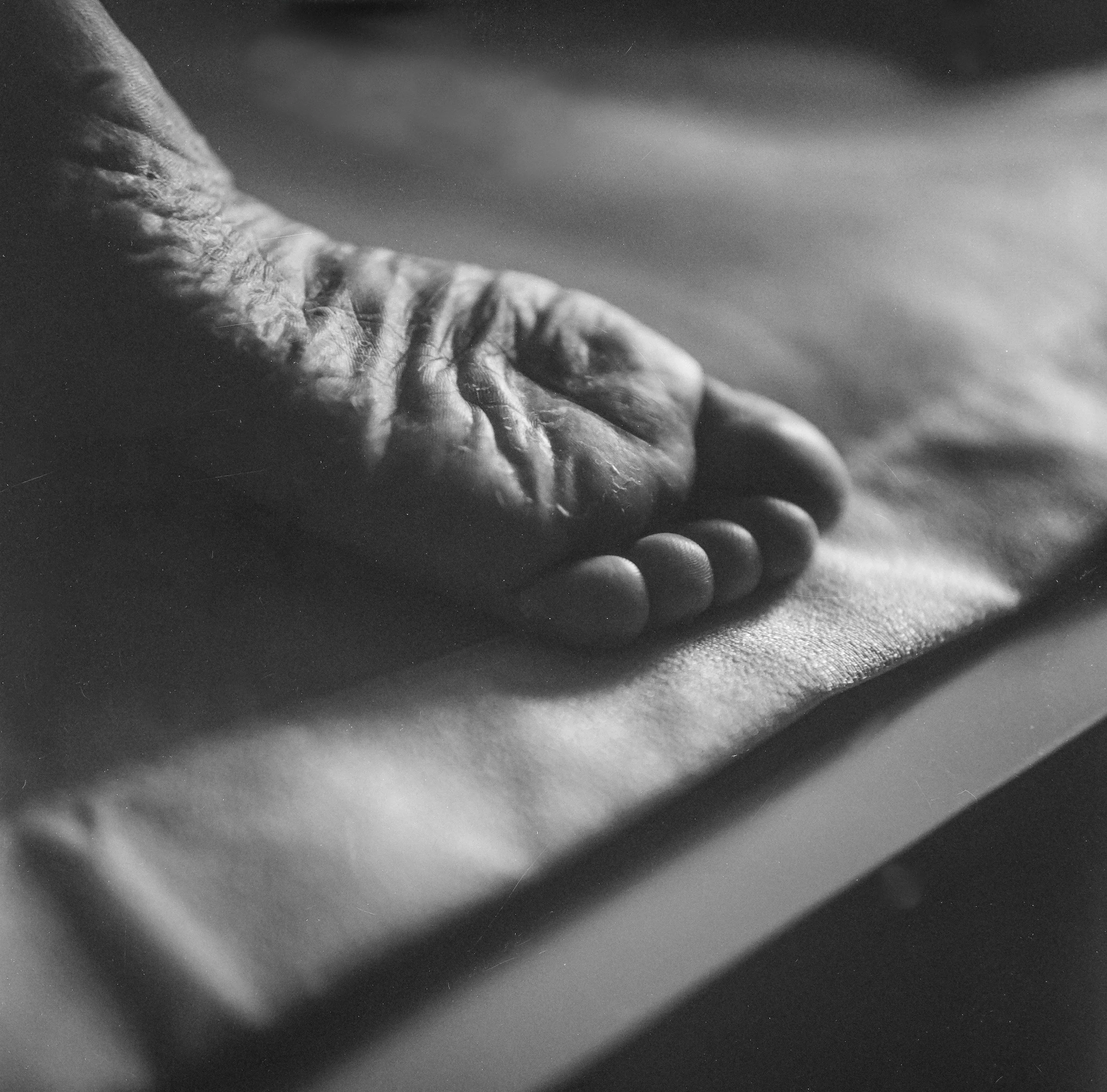
Healthy feet make it easier to walk, exercise, maintain balance, and complete everyday tasks. However, foot problems may become easier to miss with age. Reduced flexibility can make the feet difficult to inspect, while changes in vision, circulation, or sensation may allow a small injury to worsen before it is noticed.
A simple foot-care routine can help older adults identify concerns early and choose footwear that supports safe, comfortable movement.
Check the Feet Regularly
Look at the tops, soles, heels, and sides of both feet. Check between the toes as well. A mirror placed on the floor can make the soles easier to see. Someone who cannot inspect their own feet may need help from a family member, caregiver, nurse, or podiatrist.
Watch for:
Cuts, cracks, blisters, or sores
Red, warm, or swollen areas
Corns and calluses
Peeling or unusually moist skin between the toes
Thick, brittle, discolored, or ingrown nails
Changes in foot shape
New numbness, tingling, burning, or pain
Drainage, bleeding, or an unusual odor
Daily checks are particularly important for people with diabetes, poor circulation, reduced sensation, a previous foot ulcer, or difficulty noticing injuries.
Wash and Moisturize Carefully
Wash the feet with mild soap and warm water. Water that feels comfortable to a hand or elbow is safer than water tested with a foot that may have reduced sensation. Long soaking sessions can dry the skin and are generally unnecessary.
Dry the feet carefully, including the spaces between the toes. Apply a small amount of moisturizer to dry skin on the tops, heels, and soles. Avoid placing lotion between the toes, where trapped moisture may encourage skin irritation or fungal growth.
Heating pads, hot water bottles, and direct exposure to space heaters can cause burns, especially when sensation is reduced. Warm socks are a safer option for cold feet. Persistent coldness, color changes, or pain should be discussed with a healthcare professional.
Use Caution With Toenail Care
Toenails are generally easier to trim after washing and drying the feet. Cut them straight across and smooth sharp edges with a nail file. Avoid cutting deeply into the corners, which may contribute to an ingrown nail.
Professional nail care may be safer when an older adult:
Cannot clearly see or comfortably reach the feet
Has very thick, curved, or brittle nails
Has diabetes, poor circulation, or reduced sensation
Takes medication that increases bleeding
Has a tremor or difficulty controlling nail tools
Already has an ingrown or infected nail
Do not use sharp tools to remove corns or calluses. Over-the-counter medicated corn removers may damage healthy skin and should not be used without professional advice when diabetes, circulation problems, or neuropathy are present.
Choose Shoes That Fit the Feet Now
Feet can change in size and shape over time. A familiar shoe size may no longer provide the right fit, particularly when there is swelling, a bunion, hammertoes, or a change in walking pattern.
A practical everyday shoe should have:
Enough space for the toes to move without rubbing
A secure heel that does not slide excessively
A low, stable heel
A supportive and slip-resistant sole
An opening wide enough to put the shoe on without forcing the foot
Laces, straps, or another closure that holds the foot securely
A smooth interior without hard seams or pressure points
Try shoes on both feet and walk around before buying them. Shoes should feel comfortable immediately rather than needing to stretch over time. If one foot is larger, fit the larger foot.
New shoes can be worn for short periods at first. After removing them, check for redness, rubbing, or sore areas. Persistent marks may indicate that the shoes are too narrow or place pressure in the wrong location.
Check Shoes and Socks Before Wearing Them
Before putting on a shoe, feel inside for pebbles, damaged lining, folded insoles, or other objects that could irritate the skin. This matters most when a person has reduced feeling in the feet.
Choose clean, dry socks that fit without bunching. Tight elastic bands can be uncomfortable and may leave deep marks. Lightly padded or seamless socks may help reduce friction for sensitive feet.
Walking barefoot increases the chance of cuts, punctures, burns, and falls. Supportive slippers or indoor shoes provide better protection, especially for people with diabetes or reduced sensation.
Pay Attention to Walking and Balance Changes
Foot discomfort may change the way an older adult walks. Limping, taking shorter steps, avoiding one foot, or becoming less active can be signs that shoes no longer fit or that a foot problem needs attention.
A podiatrist, primary care professional, or physical therapist may help identify the cause. Some people benefit from shoe inserts or specially fitted footwear, but these should address a specific need. Not every older adult requires orthopedic shoes.
Give High-Risk Feet Extra Attention
Diabetes can damage nerves and reduce blood flow, making injuries harder to feel and slower to heal. People with diabetes are generally advised to have their feet checked during routine healthcare visits and receive a thorough foot examination at least once a year. More frequent checks may be needed after an ulcer, amputation, loss of sensation, circulation problem, or change in foot shape.
Older adults with peripheral artery disease, neuropathy, kidney disease, or conditions that affect immune function should ask a healthcare professional how often their feet need to be examined.
When to Schedule a Foot-Care Appointment
Arrange an appointment when a problem is persistent, recurring, or interfering with walking. Reasons to contact a healthcare professional or podiatrist include:
Ongoing heel, arch, toe, or joint pain
Thick or difficult-to-trim nails
Repeated corns, calluses, or blisters
An ingrown toenail
Numbness, tingling, or burning
Shoes that suddenly feel tight or no longer fit
Changes in foot shape or walking pattern
Swelling that continues or repeatedly returns
Cracked skin that does not improve with routine care
Suspected athlete’s foot or another skin infection
Early evaluation may prevent a manageable problem from becoming more painful or difficult to treat.
When to Seek Prompt Medical Help
Do not wait for a routine appointment if there is a wound or rapid change that may require immediate attention. Seek prompt medical advice for:
A cut, blister, or sore that is not beginning to heal
Increasing redness, warmth, swelling, or pain
Pus, drainage, bleeding, or a strong odor
Skin that becomes unusually pale, blue, purple, or black
A foot that suddenly feels cold
Sudden loss of sensation
A puncture wound or significant burn
Fever or illness occurring with a foot wound
Sudden severe pain or inability to place weight on the foot
A red, warm, or swollen foot can be especially concerning when sensation is reduced, even if there is little pain. People with diabetes or poor circulation should report injuries and signs of infection promptly rather than attempting prolonged home treatment.
Build Foot Care Into an Existing Routine
Foot care is easier to maintain when it is connected to something already done each day. An older adult might inspect the feet while changing socks, dry between the toes after bathing, or check shoe interiors before getting dressed.
Keep a mirror, moisturizer, clean socks, and a nail file in one accessible location. If reaching the feet is difficult, arrange regular assistance instead of stretching into an unsafe position.
Comfortable shoes and brief, consistent checks can protect mobility and independence. The goal is not to manage every foot problem at home. It is to notice changes early, prevent avoidable injuries, and know when professional care is the safer choice.
Disclaimer: This article provides general educational information and is not a substitute for individualized medical advice, diagnosis, or treatment. Older adults with diabetes, poor circulation, reduced sensation, an open wound, or signs of infection should contact a qualified healthcare professional for guidance.
