
Fall Prevention for Seniors at Home: A Room-by-Room Safety Checklist
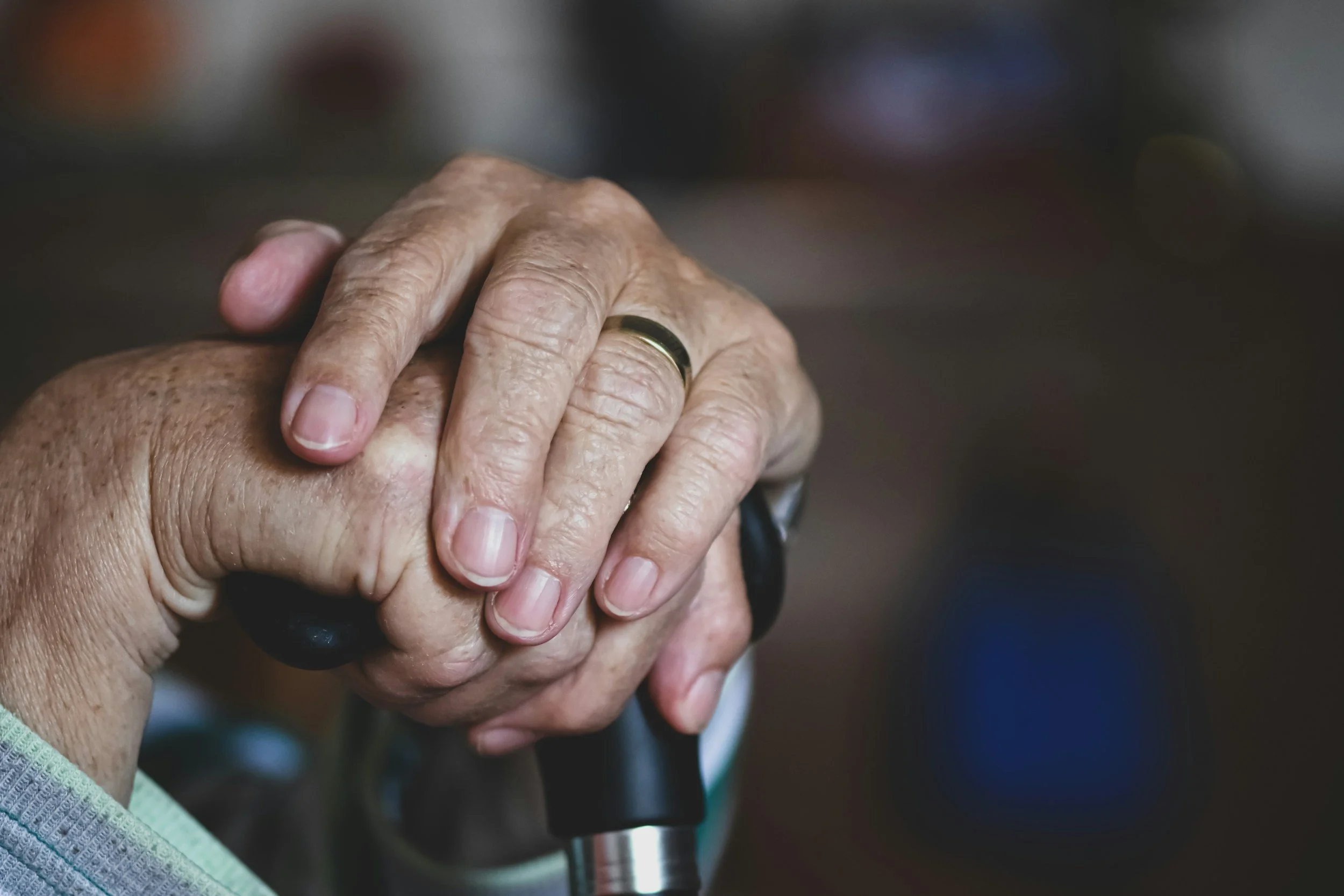
Falls are not an unavoidable part of aging. Changes to the home, combined with appropriate medical care and strength and balance work, can reduce many common risks.
Begin with hazards that could cause an immediate fall, such as a loose stair rail, poor lighting, unstable furniture, or a slippery bathroom floor. Then review the home again whenever mobility, vision, medication, or health needs change.
Throughout the Home
Walk through the home from the resident’s perspective, including the routes used at night.
Remove loose rugs or secure them with effective nonslip backing.
Keep walking paths clear of shoes, bags, pet toys, boxes, and cords.
Arrange furniture so a walker or cane can pass without tight turns.
Repair loose carpet, raised flooring, and uneven thresholds.
Improve lighting in rooms, hallways, entrances, and stairways.
Place switches where they can be reached before entering a dark area.
Use motion-activated or automatic night lights where helpful.
Keep frequently used items within easy reach.
Avoid chairs, boxes, or unstable stools for reaching high shelves.
Confirm that commonly used chairs are stable and easy to enter and leave.
Keep a charged phone or emergency alert device accessible.
Make sure mobility aids are fitted properly and kept within reach.
Do not create narrow pathways with decorative furniture. A route that is manageable during the day may be difficult when someone is tired, carrying an item, or walking in reduced light.
Entryways and Outdoor Paths
Outdoor hazards can change with weather, plant growth, and surface damage.
Repair loose steps, cracked pavement, and uneven pavers.
Install secure railings beside outdoor stairs.
Add slip-resistant material to steps and ramps.
Keep porches and walkways clear of leaves, branches, hoses, and clutter.
Provide bright lighting at doors, stairs, and parking areas.
Add a support handle near the door if balance is difficult while unlocking it.
Trim plants that block the path or conceal changes in elevation.
Address water, moss, snow, and ice promptly.
Choose a doormat with a low profile and nonslip backing.
Make sure packages are not left in the main walking path.
If a resident returns home after dark, turn on the exterior and entry lights before leaving or use automatic lighting.
Living Room and Family Room
Living areas often contain low furniture, cords, and rugs that become tripping hazards.
Remove or reposition low coffee tables and footstools.
Route lamp, telephone, and charging cords along walls.
Secure carpet edges and remove rugs that slide or curl.
Choose chairs with stable arms and appropriate seat height.
Avoid furniture that rolls, swivels unexpectedly, or tips when used for support.
Keep remote controls, phones, glasses, and drinks within reach.
Leave a clear path to doors, seating, and the bathroom.
Make sure pets are visible before standing or walking.
Furniture should not be used as a substitute for properly installed handrails or mobility equipment. A physical or occupational therapist can recommend safer support when a person frequently reaches for walls or furniture.
Kitchen
Reaching, carrying hot items, and walking on wet flooring can make kitchens particularly challenging.
Store frequently used food, cookware, and dishes between waist and shoulder height.
Clean spills immediately.
Use slip-resistant flooring or a secure mat where water commonly collects.
Keep cabinet doors and drawers closed when not in use.
Avoid carrying more than can be managed safely.
Prepare food while seated if standing causes fatigue or unsteadiness.
Use a sturdy step stool with a handrail only when appropriate.
Never climb on a chair or countertop.
Improve lighting over counters, the sink, and cooking areas.
Keep pet bowls away from the main walking route.
Consider a lightweight cart if carrying meals is difficult, but make sure it is stable and appropriate for the flooring. A rolling cart should not be used as a walking aid unless specifically designed for that purpose.
Bedroom
The route between the bed and bathroom should be easy to navigate without searching for a switch.
Place a lamp or light switch within reach of the bed.
Install night lights along the route to the bathroom.
Keep the floor clear of clothing, shoes, cords, and bedding.
Keep a charged phone and flashlight near the bed.
Choose a bed height that permits sitting with feet supported on the floor.
Place eyeglasses and mobility aids in a consistent location.
Avoid loose bedding that hangs into the walking path.
Provide a stable chair for dressing.
Sit down when putting on pants, socks, and shoes.
Bed rails are not suitable for everyone and can create entrapment or climbing risks. Seek professional guidance before installing one rather than assuming it is a general fall-prevention device.
Bathroom
Wet surfaces and transfers into a shower, tub, or toilet increase fall risk.
Install properly anchored grab bars beside the toilet and inside and outside the shower or tub.
Do not rely on towel bars for support.
Add nonslip strips or a secured nonslip mat to wet surfaces.
Use a shower chair or transfer bench when recommended.
Consider a handheld showerhead.
Make sure the toilet is at a manageable height.
Keep soap, towels, and toiletries within easy reach.
Clean up water promptly.
Use a night light.
Make sure the door can be opened from outside during an emergency.
Grab bars must be attached to suitable structural support or installed with hardware designed for the surface. A qualified installer or occupational therapist can help determine appropriate placement.
Hallways and Stairs
Stairs require particular attention because a small mistake can produce a serious fall.
Install secure handrails on both sides of the stairs.
Extend handrails for the full length of the staircase.
Keep every step free of objects.
Repair broken, loose, or uneven steps.
Secure stair carpeting or install appropriate nonslip treads.
Use contrasting tape or markings if step edges are difficult to see.
Provide switches at both the top and bottom of indoor stairs.
Replace burned-out bulbs promptly.
Avoid carrying items that block the view of the steps.
Do not use the stairs in socks or loose footwear.
If stairs are becoming difficult, discuss alternatives such as relocating essential living spaces to one floor. Stair lifts and ramps require professional evaluation and installation.
Laundry, Basement, and Garage
These areas may have uneven flooring, limited lighting, and items stored in walking paths.
Improve lighting around steps and work areas.
Keep floors free of tools, boxes, baskets, and extension cords.
Use railings on all steps.
Store frequently used supplies where they can be reached without bending or climbing.
Carry smaller laundry loads that do not obstruct vision.
Clean grease, water, and other spills promptly.
Mark changes in floor height clearly.
Wear supportive footwear rather than slippers or socks.
Keep garage paths clear around vehicles and doors.
Ask someone else to retrieve items from high shelves or carry bulky objects.
Review Health Factors Too
Removing home hazards is only one part of fall prevention. The Centers for Disease Control and Prevention recommends discussing fall risk with a healthcare provider and asking a doctor or pharmacist to review all medications, including nonprescription products, for effects such as sleepiness or dizziness.
Other useful steps include:
Report falls, near-falls, dizziness, or balance problems.
Have vision and hearing checked regularly.
Stand up slowly if position changes cause lightheadedness.
Wear supportive, nonslip shoes that fit correctly.
Avoid walking in socks on smooth floors.
Participate in appropriate strength and balance exercises.
Get adequate sleep.
Use a prescribed cane or walker as instructed.
Discuss osteoporosis screening and treatment with a healthcare provider when appropriate.
Limit alcohol if it affects balance, alertness, or medication safety.
Exercise should match the person’s health and abilities. A healthcare provider or physical therapist can recommend a safe program, particularly after a fall or when significant weakness is present.
Prepare for a Fall
Even with precautions, a fall may still occur. Keep a phone, wearable alert device, or other method of calling for help accessible.
Seek emergency help after a fall involving a possible head, neck, back, or hip injury; significant bleeding; loss of consciousness; chest pain; stroke symptoms; or an inability to get up safely. Do not move someone who may have a serious injury unless remaining in place creates immediate danger.
A fall should also prompt a review of the cause. Medication effects, infection, vision changes, blood-pressure problems, weakness, footwear, and environmental hazards may all contribute.
An occupational therapist, physical therapist, nurse, or other qualified professional can complete an individualized home-safety assessment. This can be especially useful after hospitalization, a change in mobility, or repeated falls.
This checklist provides general information and is not a substitute for individualized medical advice or a professional home assessment.
