
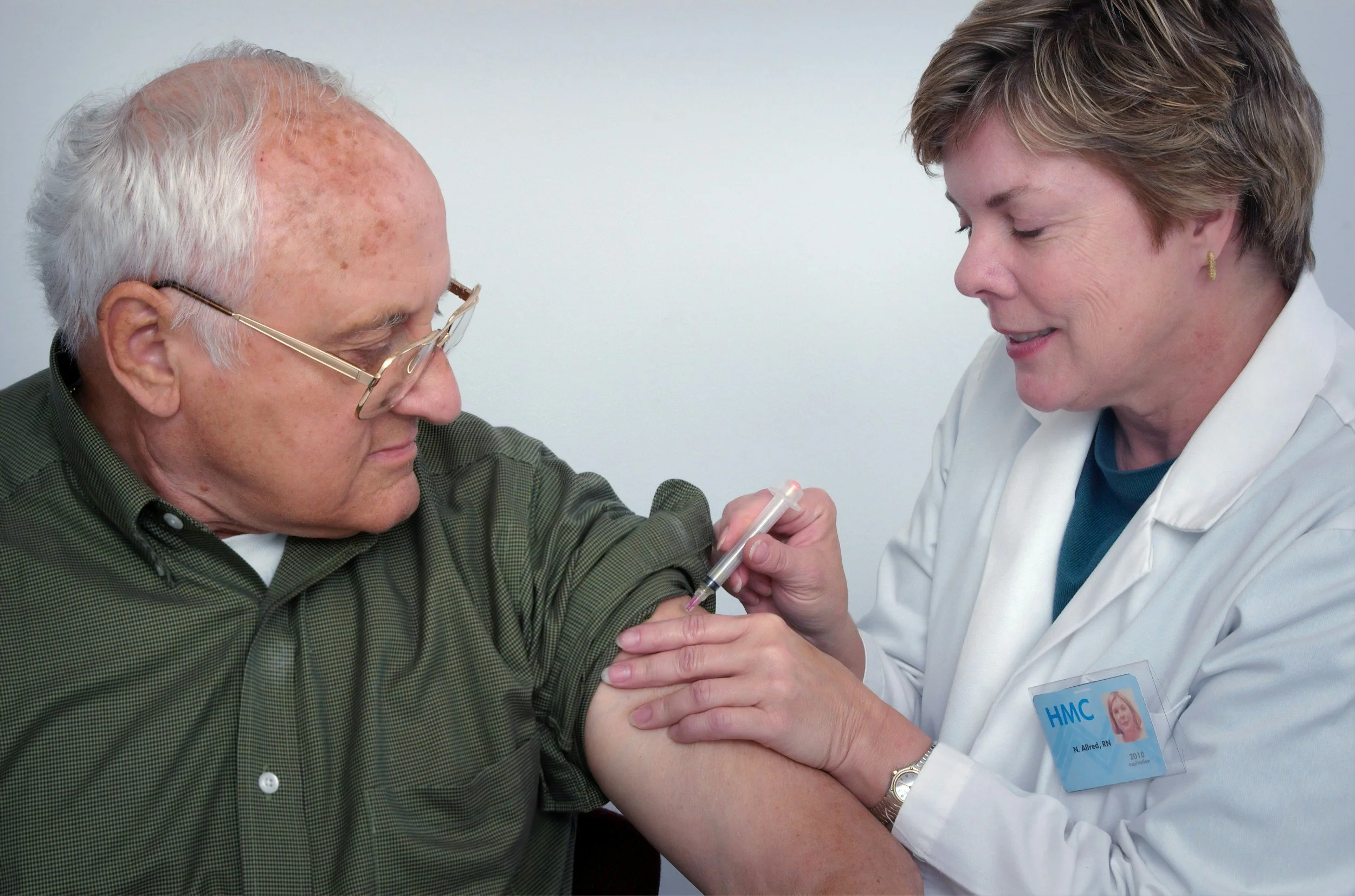
Vaccination remains important after age 65 because the immune system changes with age and some infections are more likely to cause serious complications in older adults. The recommended schedule depends on vaccination history, medical conditions, medications, living arrangements, travel, and previous reactions.
The following guide summarizes current CDC recommendations as of October 2026. Recommendations can change, particularly for seasonal vaccines. A doctor, pharmacist, or other vaccine provider should review each person’s records before deciding which vaccines and doses are appropriate.
Influenza Vaccine Every Year
The CDC recommends an influenza vaccine every flu season for adults, including those age 65 and older.
For people 65 and older, the CDC preferentially recommends one of these options:
High-dose inactivated influenza vaccine
Recombinant influenza vaccine
Adjuvanted inactivated influenza vaccine
Research suggests these vaccines may produce a stronger immune response in older adults than standard-dose, unadjuvanted vaccines. If none of the preferred products is available, the CDC advises receiving another age-appropriate flu vaccine rather than delaying vaccination.
Vaccination is generally offered before flu activity increases. Timing may depend on the season, health circumstances, and local availability.
Updated COVID-19 Vaccination
COVID-19 recommendations have changed several times and may continue to evolve. For the 2026–2027 season, CDC guidance recommends COVID-19 vaccination for adults age 65 and older using individual-based decision-making with a healthcare provider.
Current CDC guidance calls for two doses of a 2026–2027 COVID-19 vaccine for adults 65 and older, generally separated by six months. The minimum interval and product options can differ based on the vaccine used, previous vaccination, immune status, and other circumstances.
People who are moderately or severely immunocompromised may follow a different schedule. Because the recommendations are seasonal and product-specific, confirm the current schedule shortly before vaccination.
Pneumococcal Vaccination
Pneumococcal bacteria can cause pneumonia, bloodstream infections, and meningitis. The CDC recommends pneumococcal vaccination for adults age 50 and older who have not previously received a pneumococcal conjugate vaccine or whose vaccination history is unknown.
Current options include:
One dose of PCV20
One dose of PCV21
One dose of PCV15 followed by PPSV23, usually one year later
When PCV20 or PCV21 is used, an additional PPSV23 dose is not generally recommended. A shorter interval between PCV15 and PPSV23 may be considered for people with certain medical conditions.
The recommendation becomes more complicated for someone who previously received PCV13, PPSV23, or another pneumococcal vaccine. Adults 65 and older who already received both PCV13 and PPSV23 may have the option of receiving PCV20 or PCV21 based on shared decision-making.
Bring complete vaccine records to the appointment so the provider can determine whether another dose is needed.
Shingles Vaccine
The CDC recommends two doses of the recombinant shingles vaccine, Shingrix, for adults age 50 and older. The doses are generally given two to six months apart.
The recommendation still applies to most people who:
Previously had shingles
Previously received the older Zostavax vaccine
Do not remember having chickenpox
Shingles can cause a painful rash and long-lasting nerve pain known as postherpetic neuralgia. The risk of shingles and its complications increases with age.
People who are immunocompromised may receive the second dose on a different schedule. Someone who currently has shingles or is moderately or severely ill will generally need to wait, so timing should be discussed with a healthcare professional.
RSV Vaccine
Respiratory syncytial virus, or RSV, can cause serious lower respiratory illness in older adults.
The CDC currently recommends a single RSV vaccine dose for:
Every adult age 75 and older
Adults ages 50 through 74 who have an increased risk of severe RSV illness
Risk may be higher for people with certain heart, lung, kidney, immune, neurologic, or metabolic conditions. Frailty and living in a nursing home can also increase risk.
RSV vaccination is not currently an annual recommendation. Someone who has already received an RSV vaccine should not receive another dose at this time unless guidance changes.
Eligible adults may receive the vaccine at any time, but the CDC states that late summer and early fall are generally the best times in most of the continental United States.
Tdap and Td Boosters
Tdap protects against tetanus, diphtheria, and pertussis, also called whooping cough. Adults who never received Tdap or whose history is unknown should generally receive one dose.
After that, the CDC recommends a Td or Tdap booster every 10 years. An earlier booster may be recommended for certain wounds. Adults who did not complete the original tetanus and diphtheria vaccine series may need several doses.
A healthcare professional should review wound type and vaccine history after a deep, contaminated, or serious injury rather than waiting for the next routine appointment.
Hepatitis B Vaccine
Routine hepatitis B vaccination is recommended for adults through age 59. Adults age 60 and older should receive it when they have a risk factor, and those without known risk factors may also choose to receive the series.
Factors that can affect the recommendation include:
Diabetes
Chronic liver disease
Kidney failure or dialysis
Risk of exposure to blood
Sexual exposure risks
Travel to areas with higher hepatitis B rates
Household or sexual contact with someone who has hepatitis B
Residence or work in certain group settings
The number and timing of doses depend on the product. A provider can determine whether vaccination or testing is appropriate.
Hepatitis A and Other Risk-Based Vaccines
Hepatitis A vaccination is not recommended solely because someone has turned 65. It may be recommended because of chronic liver disease, travel, exposure risk, or another indication.
Other vaccines may also be appropriate based on health history or circumstances:
MMR
The measles, mumps, and rubella vaccine may be needed when an adult lacks evidence of immunity and meets current CDC criteria. Many adults born before 1957 are presumed immune to measles and mumps, although exceptions can apply in certain healthcare or outbreak settings.
Varicella
The varicella vaccine protects against chickenpox. It may be recommended for adults without evidence of immunity. It is different from the Shingrix vaccine used to prevent shingles.
Meningococcal Vaccines
Meningococcal vaccination may be recommended because of specific immune conditions, certain medications, travel, an outbreak, or residence in a setting with increased risk.
Travel Vaccines
International travel may create a need for vaccines that are not part of the usual senior vaccination schedule. Requirements and recommendations depend on the destination, itinerary, season, length of stay, and health history.
Begin the travel-health review well before departure because some vaccines require multiple doses or time to become effective.
Can Several Vaccines Be Given at One Visit?
Many adult vaccines can be administered during the same appointment at different injection sites. This can make it easier to complete the recommended schedule.
Receiving several vaccines together may increase short-term effects such as arm soreness or fatigue for some people. A provider can discuss whether to combine or separate vaccines based on the person’s health, preferences, schedule, and previous reactions.
Avoid delaying an important vaccine solely to create a perfect schedule without first discussing the decision with a healthcare professional.
What Information Should Older Adults Bring?
A vaccination review is easier when the provider has accurate information. Bring:
A vaccination card or other available records
A current medication list
A list of allergies
Information about previous vaccine reactions
Relevant medical diagnoses
Upcoming travel plans
Dates of recent vaccines received elsewhere
Records may be available through a physician, pharmacy, state immunization information system, former employer, military record, or previous healthcare organization.
Do not automatically repeat a vaccine because documentation is missing. A provider can explain when revaccination, testing, or another approach is appropriate.
Who Should Ask for Additional Guidance?
A more detailed review is important for people who:
Have a weakened immune system
Take immune-suppressing medication
Are receiving cancer treatment
Have had a serious vaccine reaction
Have a history of Guillain-Barré syndrome
Recently received blood products
Are moderately or severely ill
Have received vaccines in another country
Live in a nursing home or other group setting
Expect to travel internationally
A mild illness does not always require postponing vaccination, but the person administering the vaccine should make that decision after reviewing the situation.
Build a Simple Vaccine Checklist
Older adults do not need to memorize every product name or interval. A practical approach is to review vaccination status during an annual wellness visit or pharmacy consultation.
Ask:
Did I receive this season’s flu vaccine?
Am I due for an updated COVID-19 vaccine?
Is my pneumococcal series complete under current guidance?
Have I received both Shingrix doses?
Do I qualify for an RSV vaccine, and have I already received it?
When was my last Tdap or Td dose?
Do my health conditions, medications, or travel plans indicate another vaccine?
The correct answer may differ between two people of the same age. Vaccine history and health risks matter as much as age, which is why an individualized record review is more reliable than following a general checklist alone.
This article provides general educational information and does not replace advice from a physician, pharmacist, or other qualified healthcare professional. CDC recommendations and product availability can change. Confirm the current schedule before vaccination.
