
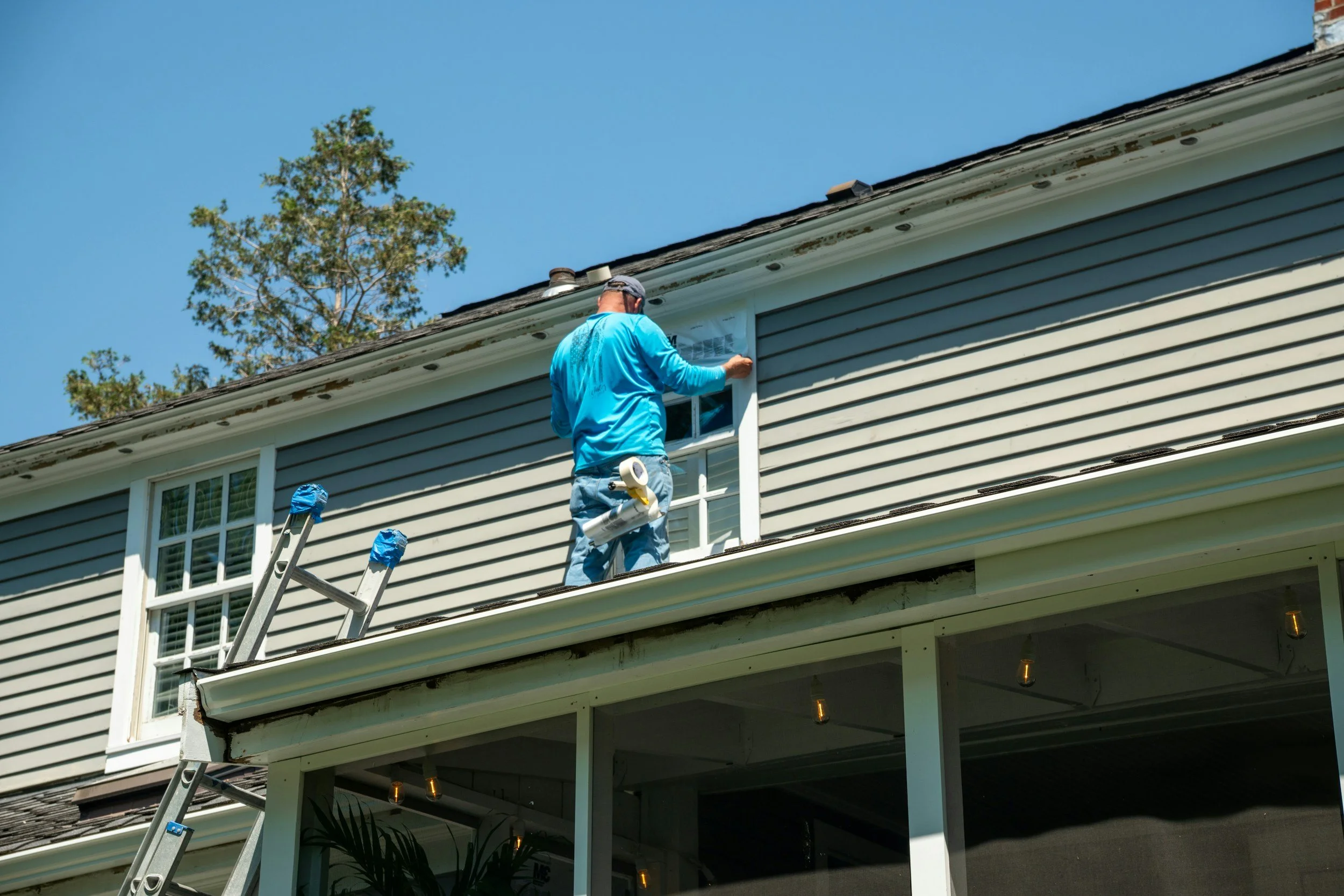
A leaking roof, failed heating system, unsafe wiring, or broken entrance step can become a serious problem for an older homeowner on a limited income. Repair assistance may be available, but programs differ by location, income, property type, and the urgency of the work.
Some programs provide grants, while others offer loans, deferred-payment financing, weatherization, volunteer labor, or accessibility modifications. Start by identifying the repair clearly, then contact several local resources rather than depending on a single application.
Identify the Most Urgent Repair
Separate health and safety needs from cosmetic improvements. Assistance programs commonly prioritize conditions that affect whether the home is safe, accessible, and weather-resistant.
Priority repairs may include:
A leaking or severely damaged roof
A failed furnace or heating system
Unsafe electrical wiring
Broken plumbing or sewage systems
Missing stair railings
Unsafe steps or flooring
Accessibility barriers
Structural problems
Serious water intrusion
Faulty smoke or carbon monoxide alarms
Hazardous doors or windows
Septic or well problems
Write down when the problem began, whether it is getting worse, and how it affects the resident. Take photographs from a safe location.
Do not enter an unstable structure, climb onto a roof, touch exposed wiring, or attempt a repair involving gas, sewage, or another serious hazard.
Call the Local Aging Network
The local Area Agency on Aging or Aging and Disability Resource Center is a useful starting point. These organizations may know about city, county, nonprofit, utility, and volunteer programs that are difficult to find through a general search.
Ask about:
Emergency home repair
Accessibility modifications
Fall-prevention improvements
Volunteer repair programs
Weatherization
Benefits counseling
Low-cost contractor programs
Home safety assessments
Transportation to temporary housing
Support for completing applications
The Eldercare Locator can connect callers with local aging resources at 800-677-1116. Availability, fees, age requirements, and waitlists vary by community.
Contact the City or County Housing Office
Many local governments operate housing rehabilitation or emergency repair programs. Funding may come from federal housing grants, state programs, local taxes, or community development funds.
Contact the city or county department responsible for housing, community development, neighborhood services, or code enforcement.
Ask:
Is there a homeowner repair program?
Are grants, loans, or deferred loans available?
Are older adults given priority?
Which repairs are eligible?
What are the income limits?
Must property taxes and insurance be current?
Is there a waiting list?
Can work begin before approval?
Does the program select the contractor?
Will the assistance create a lien on the home?
A deferred loan may require no monthly payment but become due when the property is sold, transferred, refinanced, or no longer occupied by the eligible homeowner. Read the repayment terms carefully.
Check State Housing Programs
State housing finance agencies, departments of housing, and community development agencies may fund repair programs directly or distribute money through local organizations.
Programs may focus on:
Essential home repairs
Lead-hazard reduction
Accessibility
Energy efficiency
Disaster recovery
Septic systems
Wells and drinking water
Manufactured homes
Rural housing
A state program may use different income limits or property rules from the local government. Ask whether one application can be considered for several funding sources.
Consider USDA Rural Home Repair Assistance
Homeowners in eligible rural areas may qualify for the USDA Section 504 Home Repair program.
The program offers loans to eligible low- and very-low-income homeowners for repairs, improvements, modernization, and removal of health and safety hazards. Grants may be available to very-low-income homeowners age 62 or older who cannot afford to repay a loan.
As of 2026, the federal program lists:
Loans of up to $40,000
Grants of up to $10,000
Combined assistance of up to $50,000
A fixed 1% interest rate and 20-year term for loans
Grants are limited to eligible health and safety work and have repayment conditions if the property is sold within a specified period. Funding, processing times, income limits, and property eligibility vary by location.
The homeowner must generally own and occupy the property, meet county income limits, and be unable to obtain affordable credit elsewhere. Contact the USDA Rural Development office serving the property before hiring a contractor or beginning work.
Apply for Weatherization Assistance
The Department of Energy’s Weatherization Assistance Program helps eligible households improve energy efficiency and address certain related health and safety concerns. It is administered through states, tribes, territories, and local providers rather than directly by the federal department.
Possible services may include:
Air sealing
Insulation
Heating or cooling system work
Duct repairs
Ventilation improvements
Water heater measures
Smoke or carbon monoxide alarms
Limited repairs needed for weatherization
Weatherization is not a general home remodeling program. Major roof, structural, plumbing, or electrical work may fall outside its scope. A home may be deferred until serious hazards are corrected through another funding source.
Older adults and households that include a person with a disability may receive priority under local procedures. Eligibility and available measures depend on the state and provider.
Ask the Utility Company
Electric and gas utilities may offer energy audits, appliance replacement, heating assistance, weatherization, rebates, or special programs for customers with limited incomes.
Ask about:
Heating and cooling repairs
Energy-efficiency upgrades
Insulation
Air sealing
Water heater programs
Emergency utility assistance
Payment plans
Medical or senior customer protections
Leak or safety inspections
A rebate generally requires the homeowner to pay first, while a direct-assistance program may arrange and pay for approved work. Confirm which type is being offered.
Contact Community Action Agencies
Community Action Agencies often administer weatherization, energy assistance, emergency services, and local housing programs.
An agency may also help the homeowner:
Gather income documents
Apply for several programs
Arrange an energy assessment
Identify nonprofit partners
Request utility assistance
Find transportation or temporary support
Services and funding vary by county. Ask whether the agency maintains a waiting list or accepts applications only during certain periods.
Look for Nonprofit and Volunteer Programs
Local nonprofits, faith-based organizations, civic groups, and volunteer repair programs may provide labor, materials, or small grants.
These programs often focus on:
Minor safety repairs
Wheelchair ramps
Handrails and grab bars
Yard cleanup
Exterior maintenance
Smoke alarm installation
Weatherization
Small plumbing or carpentry projects
Volunteer programs may not have licensed professionals available for electrical, structural, roofing, or major plumbing work. Confirm who supervises the project, whether permits will be obtained, and what insurance covers the work.
Ask About Accessibility Assistance
A repair program may have separate funding for modifications that help an older adult remain safely at home.
Possible improvements include:
Entrance ramps
Handrails
Grab bars
Improved lighting
Lever-style handles
Widened doorways
Accessible bathing features
Safer flooring
Lower thresholds
Some Medicaid home- and community-based programs may cover certain modifications for eligible participants, but coverage and approval rules vary by state. Medicare generally should not be assumed to pay for ordinary home repairs or remodeling.
A healthcare provider or occupational therapist may be able to document why a modification is needed and recommend a safer design.
Explore Veteran and Tribal Resources
Eligible veterans may have access to housing adaptation benefits or local veteran assistance. Requirements can depend on disability status, military service, and the type of modification.
Tribal housing authorities and tribal programs may offer repair, weatherization, accessibility, or emergency housing assistance to eligible households.
Contact the appropriate veterans service office or tribal housing department to ask which programs apply to the homeowner and property.
Check Disaster Assistance When Applicable
After a federally or state-declared disaster, assistance may be available for certain necessary repairs. Disaster programs do not generally restore a home to its full pre-disaster condition, and insurance payments can affect eligibility.
Document the damage before cleanup when it is safe. Contact the insurer promptly and keep:
Photographs
Repair estimates
Receipts
Inspection reports
Insurance decisions
Disaster application numbers
Contractor communications
Use only official government channels. Scammers frequently approach homeowners after storms, floods, fires, and other disasters.
Prepare the Application Documents
Repair programs often require substantial documentation. Gathering it early can reduce delays.
Commonly requested records include:
Photo identification
Proof of age
Proof of household income
Property deed
Mortgage statement
Property tax records
Homeowners insurance
Utility bills
Social Security or benefit statements
Bank statements
Photographs of the problem
Repair estimates
Contractor proposals
Household member information
Documentation of disability-related needs
Do not send original documents unless specifically required. Ask how personal and financial information will be stored and protected.
Ask Whether Work Can Begin Before Approval
Many programs will not reimburse repairs started before written approval. Emergency work may follow different procedures, but the homeowner should not assume it will be covered later.
Before signing a contract or paying a deposit, ask:
Has the application been approved?
Is the proposed repair eligible?
Must the program inspect the home first?
Does the program choose the contractor?
Is competitive bidding required?
Who authorizes changes?
Who pays the contractor?
What happens if costs exceed the approved amount?
Obtain the answer in writing.
Understand Grants, Loans, and Liens
“Assistance” does not always mean free money. It may be structured as:
A grant
A low-interest loan
A deferred-payment loan
A forgivable loan
A rebate
A tax credit
Volunteer labor
A combination of several sources
Ask whether the funding creates a lien, must be repaid after a sale, or requires the homeowner to remain in the property for a certain period.
Family members should not pressure an older homeowner to sign unfamiliar loan or property documents. Consider independent legal advice before accepting financing that affects the title or home equity.
Verify Contractors
When the homeowner selects the contractor, compare written proposals using the same scope of work.
Check:
License status where required
Insurance
References
Business address
Permit responsibility
Materials and product models
Start and completion expectations
Payment schedule
Warranty terms
Cleanup and disposal
Change-order procedures
Do not sign a blank contract or pay the full cost in advance. Deposit limits and cancellation rights vary by state.
Confirm that the person selling the project is authorized to represent the assistance program. Call the program using independently verified contact information.
Watch for Home Repair Scams
Warning signs include someone who:
Appears without an appointment
Claims unused grant money must be accepted immediately
Demands cash
Requests gift cards or cryptocurrency
Pressures the homeowner to sign that day
Offers to arrange secret government funding
Asks the homeowner to sign over insurance proceeds
Refuses to provide a written contract
Wants access to bank accounts
Claims a permit is unnecessary
Suggests borrowing against the home without explaining the terms
Government programs do not require gift cards or cryptocurrency. Do not provide a Social Security number or financial records until the organization and application process have been independently verified.
Apply to More Than One Program
Funding is limited, and waiting lists can be long. A homeowner may need to combine resources or apply to several programs.
Keep a simple record of:
Program name
Contact person
Application date
Documents submitted
Repairs requested
Case number
Follow-up date
Decision
Repayment conditions
Ask whether an agency can refer the application elsewhere if it cannot fund the work.
Start Before the Repair Becomes an Emergency
Programs may require inspections, income verification, contractor bidding, environmental reviews, or title checks. Approval can take weeks or months.
Seek help when a roof begins leaking, a furnace becomes unreliable, or an entrance becomes difficult to use—not only after the condition becomes unsafe.
For an immediate threat involving fire, gas, electrical danger, collapse, severe weather exposure, or another emergency, leave the unsafe area and contact emergency services or the appropriate utility.
Home repair assistance is highly local, but several starting points are available. Contact the aging network, city or county housing office, state housing agency, rural development office, weatherization provider, and utility company. Asking each organization for referrals can uncover programs that are not widely advertised.
This article provides general educational information and is not individualized legal, financial, construction, benefits, or safety advice. Program funding, eligibility, repair coverage, repayment terms, and application procedures vary by location.
