
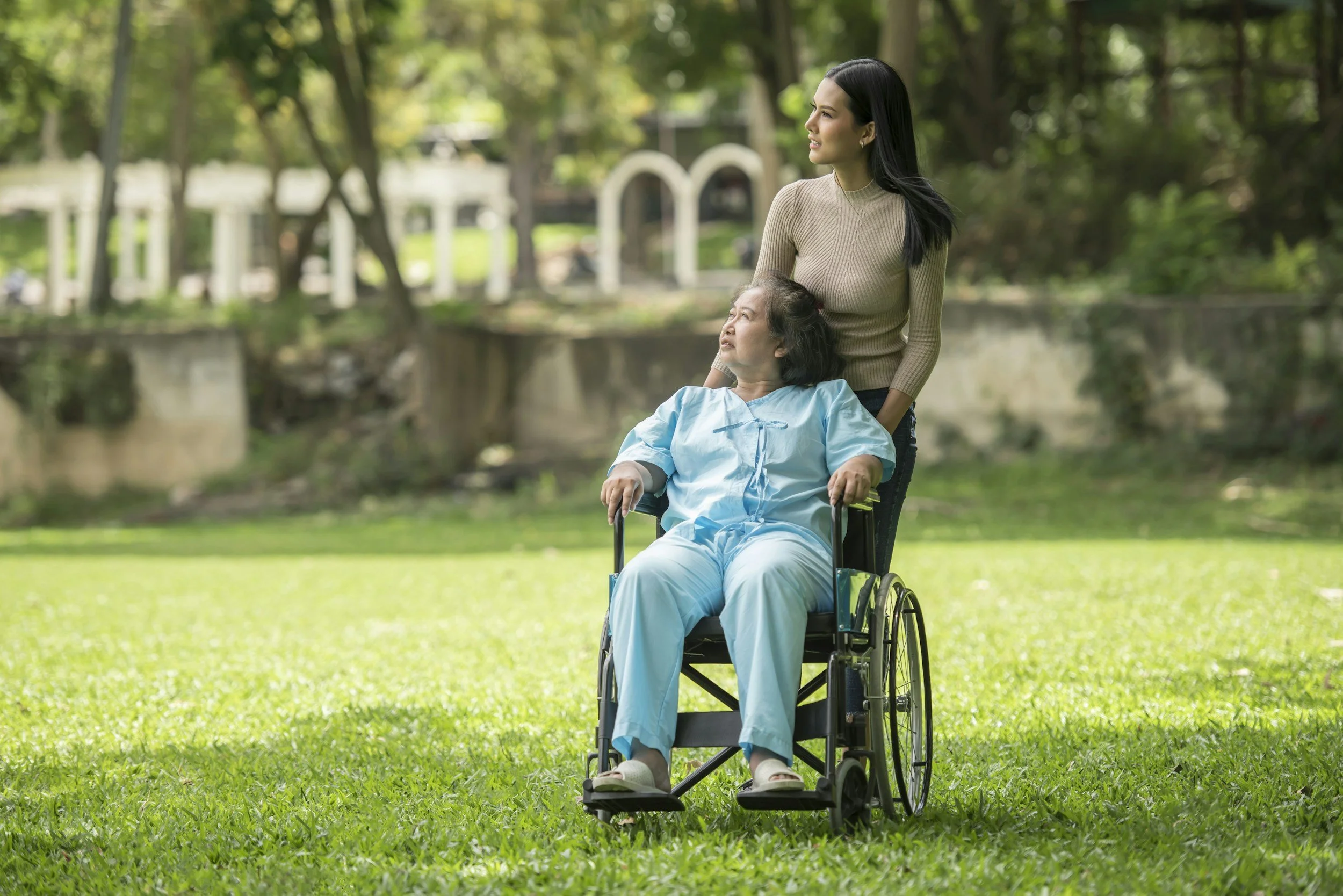
Family visits can provide companionship, reassurance, and a connection to life outside an assisted living community. A successful visit, however, should fit the resident’s preferences, energy level, health needs, and daily routine.
Planning ahead can prevent common problems such as arriving during personal care, bringing unsuitable food, overwhelming someone with memory loss, or discovering that an outing requires equipment or medication that was left behind.
Ask the Resident What They Want
Begin with the resident whenever possible. Ask whether they would like a visit, what time feels best, and whether they prefer to meet in their room, a shared space, or outdoors.
The resident may want:
A quiet one-on-one visit
A larger family gathering
A meal together
A short walk
Help with a personal task
A trip outside the community
A video call instead of an in-person visit
Respect the answer, including a request to postpone or keep the visit short. Assisted living is the resident’s home, not simply a facility that family members enter on their own schedule.
Check the Community’s Current Procedures
Call ahead when visiting for the first time, bringing several guests, planning an outing, or arriving during a period of increased illness.
Ask about:
Visiting hours or entry procedures
Sign-in and identification requirements
Current infection-prevention measures
Outbreak-related precautions
Parking and accessible entrances
Reservations for private rooms or dining
Rules for children and pets
Food and gift restrictions
Outing and return procedures
Staff contacts for questions
Assisted living communities are generally regulated at the state level, and policies differ among facilities. Requirements may also change temporarily during an infectious disease outbreak or emergency.
Choose a Time That Matches the Resident’s Routine
A convenient time for the visitor may not be the best time for the resident. Consider meals, therapy, medication, personal care, activities, and rest periods.
Some residents feel strongest in the morning. Others need more time to become alert or prefer visits after lunch. A person living with dementia may experience increased confusion or agitation later in the day.
Ask the resident or staff which part of the day is usually most comfortable. Avoid repeatedly scheduling visits during a favorite activity unless the resident wants you to join.
Postpone When You Are Sick
Older adults and people with chronic conditions may face greater risks from respiratory and gastrointestinal infections.
Delay a non-urgent visit if you have:
Fever
Cough or sore throat
Vomiting or diarrhea
Unexplained rash
Significant congestion
A newly diagnosed contagious illness
Other symptoms covered by the community’s policy
If you recently had close contact with someone who was ill, call the facility before visiting. Staff may recommend postponement, testing, masking, or another precaution based on the situation.
Wash or sanitize your hands when entering and leaving. Follow posted instructions about masks and protective equipment without pressuring the resident to ignore facility precautions.
Keep the Group Manageable
A crowded visit can be tiring, especially when the resident has hearing loss, limited stamina, anxiety, or dementia.
Consider arranging several smaller visits instead of bringing the entire family at once. Tell the resident who is coming rather than creating a surprise that may feel overwhelming.
If children are visiting, explain beforehand that:
Some residents use wheelchairs, walkers, or oxygen.
Medical equipment should not be touched.
Hallways need to remain clear.
Voices should stay at a comfortable level.
Other residents deserve privacy.
The visit may end earlier than expected.
Bring a quiet activity for children so the gathering does not depend entirely on conversation.
Plan for Hearing, Vision, and Communication Needs
Reduce background noise by turning off the television or moving away from a busy common area. Sit where the resident can see your face clearly and avoid speaking from another room.
Helpful practices include:
Facing the resident while talking
Speaking clearly without shouting
Allowing extra response time
Confirming hearing aids and glasses are available
Using good lighting
Discussing one subject at a time
Writing down important details
Bringing labeled photographs
Do not talk about the resident as though they are not present. Address them directly even when a family member or staff member helps with communication.
Make Visits Comfortable for Someone With Dementia
Familiar, low-pressure activities can be more enjoyable than expecting a long conversation.
Try:
Looking through family photographs
Listening to familiar music
Folding towels together
Taking a short supervised walk
Reading a brief article aloud
Sharing a familiar snack when permitted
Watching birds or sitting in a garden
Working on a simple puzzle
Avoid testing the person’s memory with repeated questions such as “Do you remember me?” Introduce yourself naturally if needed.
Do not argue over an incorrect detail unless immediate safety is involved. Redirect the conversation calmly if the resident becomes frustrated. A shorter positive visit is usually better than extending one after the person becomes tired or distressed.
Ask Before Bringing Food
The resident may have allergies, diabetes-related meal planning, swallowing precautions, fluid restrictions, modified food textures, or other dietary needs.
Before bringing a meal or snack, ask:
Is the food compatible with the resident’s care plan?
Does it require refrigeration?
Can it be safely stored in the room?
Does the resident need supervision while eating?
Are homemade foods permitted?
Can food be shared with other residents?
Do not offer food to another resident without staff approval. The person may have restrictions that are not visible.
Label approved food with the resident’s name and date. Bring a manageable amount so leftovers do not remain beyond a safe storage period.
Do Not Move or Transfer the Resident Without Guidance
Even when a family member has helped in the past, mobility needs may have changed. Do not pull someone from a chair, lift under their arms, or attempt an unfamiliar transfer.
Ask staff for help when the resident needs to:
Move between a bed and wheelchair
Use the bathroom
Navigate stairs
Enter or exit a vehicle
Adjust oxygen or medical equipment
Walk farther than usual
Make sure mobility aids are within reach before leaving. Lock wheelchair brakes when appropriate and keep pathways clear of bags, cords, and furniture.
Plan Outings in Advance
A short outing can require more preparation than expected. Confirm that the resident wants to go and that the community has the necessary information.
Plan for:
Accessible transportation
Wheelchair or walker storage
Medication timing
Oxygen or other equipment
Weather-appropriate clothing
Restroom access
Comfortable seating
Meals and hydration
Emergency contact information
The expected return time
Ask whether staff must sign the resident out or prepare medication. Family members should not remove medication from storage or change its timing without authorization.
Keep the first outing simple. A nearby café, garden, or family home may be easier than a crowded event with long travel and limited restrooms.
Bring Useful, Manageable Items
Good visit items are safe, labeled, and easy to store.
Possibilities include:
Current family photographs
A favorite book or magazine
Comfortable clothing
Approved toiletries
A small seasonal decoration
A simple activity
Written family updates
Replacement batteries for approved personal devices
Ask before bringing electrical appliances, rugs, furniture, candles, heating devices, or large decorations. These may create fire, fall, or space hazards.
Avoid leaving valuable jewelry, large amounts of cash, or items that would be difficult to replace.
Notice Changes Without Turning the Visit Into an Inspection
Family visits can reveal changes in mood, mobility, appetite, communication, or personal care. Pay attention without making the resident feel examined.
Possible concerns include:
New bruising or pain
Increased confusion
Unusual sleepiness
Breathing difficulty
Reduced appetite
Difficulty walking
Missing medication or equipment
A sudden change in behavior
Statements suggesting fear, mistreatment, or neglect
Urgent symptoms should be reported immediately to staff or emergency services as appropriate. For non-urgent concerns, write down specific observations and discuss them privately with the appropriate staff member.
Avoid drawing conclusions from one isolated observation. Ask what changed, when it began, and whether the care team is already addressing it.
Protect Privacy and Dignity
Ask permission before taking photographs, recording video, posting on social media, opening drawers, reading documents, or reorganizing belongings.
Other residents and staff should not appear in photographs without their consent. Do not discuss another resident’s health or behavior publicly.
Knock before entering the resident’s room and step out during personal care unless the resident asks you to stay and staff agree.
End Before the Resident Becomes Exhausted
Watch for signs of fatigue, discomfort, frustration, or reduced attention. A visit does not need to last several hours to be meaningful.
Before leaving:
Put frequently used items within reach.
Remove trash and food that should not remain.
Return furniture to a safe position.
Confirm the call button, phone, water, and mobility aid are accessible.
Tell the resident when you expect to call or visit again.
Share relevant concerns with staff privately.
Follow through on promised calls and visits when possible. A dependable pattern can be more reassuring than occasional elaborate plans.
Keep Visits Resident-Centered
Safe family visits balance connection with practical preparation. Check the community’s procedures, arrive when the resident is comfortable, postpone when ill, and plan food or outings around the person’s current needs.
Most importantly, allow the resident to guide the visit. Familiar company, respectful conversation, and an activity they genuinely enjoy can make an ordinary afternoon meaningful.
This article provides general educational information, not individualized medical or legal advice. Assisted living regulations, visitation rights, infection-control procedures, and facility policies vary by state and community.
