
Home Medical Equipment for Seniors: A Practical Guide to Common Devices
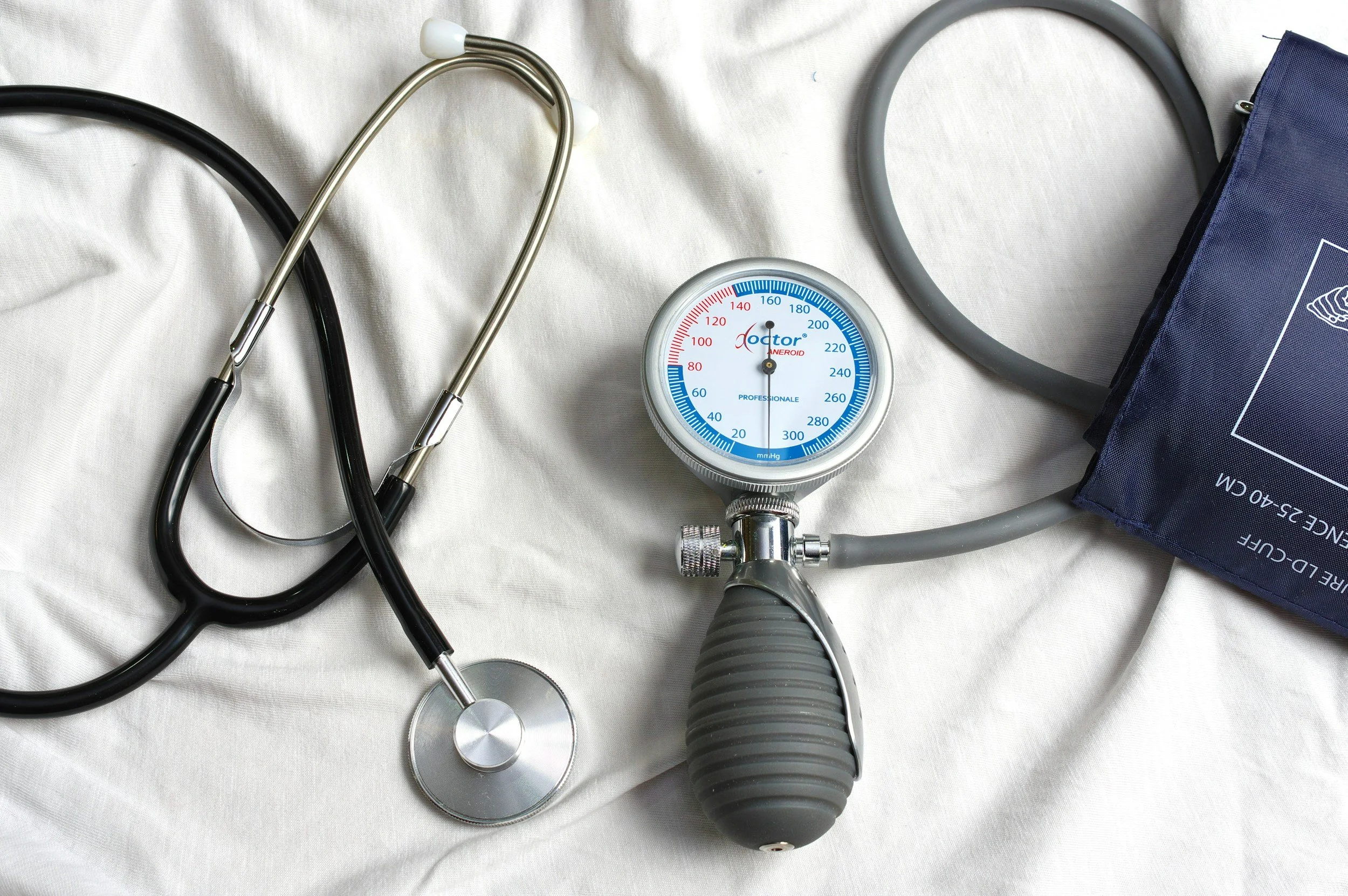
Home medical equipment can help an older adult move safely, manage a health condition, or complete daily activities with less assistance. Common examples range from canes and shower chairs to hospital beds, oxygen equipment, and blood glucose monitors.
Choosing equipment should begin with the person’s needs rather than a product advertisement. A physician, nurse, physical therapist, occupational therapist, respiratory therapist, or other qualified professional can help determine which device is appropriate and how it should be used.
Mobility Equipment
Mobility aids provide different amounts of support.
Canes may help with mild balance difficulty, pain, or weakness affecting one side.
Walkers provide support through both arms and may be appropriate when a cane is not stable enough.
Rollators have wheels, brakes, and often a seat. They can help with longer-distance walking but require enough coordination and hand function to control the brakes.
Manual wheelchairs may be propelled by the user or pushed by another person.
Power wheelchairs and scooters may help people who cannot walk or propel a manual chair safely.
A mobility aid should be fitted to the user. The wrong height, width, or style can contribute to poor posture, pain, or falls. Before ordering a wheelchair, measure doorways, turning spaces, ramps, and vehicle storage.
A physical or occupational therapist can also teach safe transfers, turning, braking, and use on stairs or uneven surfaces.
Bathroom Safety Equipment
Bathrooms combine hard surfaces, limited space, and water. Useful equipment may include:
Grab bars
Shower chairs
Transfer benches
Handheld showerheads
Raised toilet seats
Toilet safety frames
Bedside commodes
Nonslip strips or mats
Grab bars must be anchored to appropriate structural support or installed with hardware rated for the wall and expected load. A towel bar is not designed to support body weight.
A shower chair should fit fully within the bathing area and stand level without rocking. Rubber tips should be inspected for wear. For a tub, a transfer bench may allow the person to sit before moving their legs across the tub wall.
A bedside commode may be helpful when walking to the bathroom is unsafe, especially at night. It can sometimes be positioned over a toilet as a raised seat and support frame, depending on the model.
Hospital Beds and Positioning Equipment
A home hospital bed can raise or lower sections of the mattress to assist with positioning, breathing, personal care, or transfers. Some models also adjust the overall bed height.
Before installation, families should consider:
Space for caregivers to work on both sides
Access to electrical outlets
Location of oxygen or other equipment
The user’s transfer method
Mattress type
Pressure-injury risk
Backup plans during a power outage
The mattress must be compatible with the bed. Pressure-redistributing mattresses or overlays may be recommended for people with limited mobility or elevated pressure-injury risk.
Portable bed rails require particular caution. Gaps between a rail, mattress, headboard, or nearby furniture can create entrapment and asphyxiation hazards. The Consumer Product Safety Commission advises checking that a portable rail complies with the mandatory safety standard, has not been recalled, and is installed exactly as directed. Bed rails are not automatically appropriate for every older adult, especially someone with confusion or unsafe climbing behavior.
Transfer Equipment
Transfer equipment helps move a person between a bed, chair, wheelchair, or toilet.
Common devices include:
Transfer or gait belts
Sliding boards
Pivot discs
Bed assist handles
Sit-to-stand lifts
Full-body patient lifts
A transfer belt does not make every transfer safe. The caregiver still needs the correct technique, and the person must have the abilities required for the planned movement.
Mechanical lifts should be selected and used with professional guidance. The sling must be compatible with the lift and appropriate for the user’s size, condition, and transfer position. Caregivers should receive hands-on training rather than relying only on a short video or product description.
Trying to lift someone manually when a mechanical device is needed can injure both the older adult and caregiver.
Oxygen Equipment
Home oxygen may be delivered through compressed-gas cylinders, liquid oxygen systems, or concentrators that extract oxygen from the surrounding air. Oxygen should be used only as prescribed.
The prescription determines factors such as flow rate, duration, and whether oxygen is needed during rest, activity, or sleep. Users should not change settings without instructions from the healthcare team.
Oxygen supports combustion. Keep the equipment away from smoking, flames, candles, gas stoves, and sparking devices. Store cylinders securely so they cannot fall, and do not cover a concentrator or block its vents.
Families should understand:
How to operate the equipment
What alarms mean
How to clean and replace components
How much backup oxygen is available
Whom to call after hours
What to do during a power failure or evacuation
CPAP and Other Breathing Equipment
Continuous positive airway pressure, or CPAP, equipment is commonly prescribed for obstructive sleep apnea. Other respiratory devices may include bilevel machines, nebulizers, suction equipment, and ventilators.
Masks, tubing, filters, water chambers, and other components require maintenance according to the manufacturer’s instructions. An uncomfortable mask, air leak, skin irritation, or persistent dryness should be discussed with the prescribing team or equipment supplier rather than managed by abandoning treatment or changing clinical settings independently.
Do not use unapproved cleaning methods. Follow the manufacturer’s directions for routine cleaning, compatible supplies, and replacement schedules.
More complex respiratory equipment requires an emergency plan covering power loss, equipment failure, backup supplies, and contact information for the medical team and supplier.
Home Monitoring Devices
Monitoring equipment can help a person and healthcare team follow a condition between appointments. Examples include:
Blood pressure monitors
Blood glucose meters
Continuous glucose monitors
Pulse oximeters
Thermometers
Scales
Heart rhythm monitors prescribed for home use
A home reading is useful only when the device is appropriate, functioning correctly, and used with proper technique. Ask a healthcare professional to demonstrate the device and explain which results require a routine call, an urgent call, or emergency help.
Do not change medication based only on an unexpected reading unless the care plan specifically instructs you to do so. Repeat the measurement when appropriate, check for user or equipment error, and follow the written plan from the healthcare provider.
Keep a record of readings if requested. Include the date, time, symptoms, and relevant details such as whether a blood pressure measurement was taken before or after medication.
Medication Equipment
Simple tools can reduce confusion, although they do not solve every medication-safety problem.
Options include:
Weekly pill organizers
Timed medication dispensers
Reminder alarms
Large-print medication lists
Locking storage
Pill splitters approved for suitable tablets
Not every medication should be split or moved from its original packaging. Ask a pharmacist before altering tablets or organizing medications that have special storage requirements.
An automated dispenser may help with reminders, but it cannot confirm that a dose was swallowed or determine whether a medication should be withheld because of illness or side effects. People with significant memory problems may still need direct supervision.
Emergency Alert Systems
Personal emergency response systems can connect a user to a call center or designated contact after a fall or other emergency. Some systems work only inside the home, while others use cellular service or GPS.
Compare:
Coverage area
Cellular or landline requirements
Battery life
Water resistance
Automatic fall-detection limitations
Monthly and activation fees
Cancellation terms
Who receives the alert
Automatic fall detection may not recognize every fall. The device also needs to be worn, charged, and within service range.
Confirm That the Home Can Support the Device
The Food and Drug Administration recommends checking whether the home has the electricity, water, telephone connection, internet access, space, and wiring a device requires.
Before bringing equipment home:
Measure doors, hallways, and turning areas.
Identify a safe storage location.
Keep cords and tubing out of walking paths.
Protect equipment from pets, children, moisture, and temperature extremes.
Confirm that caregivers can operate it.
Keep instructions nearby.
Record supplier and after-hours contact numbers.
Prepare for power failures and equipment malfunctions.
Maintain batteries, filters, and accessories as directed.
Do not ignore alarms or error messages. Contact the supplier or healthcare team when the cause is unclear.
Understand Medicare Coverage
Medicare Part B may cover medically necessary durable medical equipment prescribed for use in the home. Medicare defines DME as equipment that can withstand repeated use, serves a medical purpose, is generally useful primarily to someone who is ill or injured, is used in the home, and is expected to last at least three years.
Covered categories may include:
Canes and walkers
Commode chairs
Wheelchairs and scooters
Hospital beds
Oxygen equipment
CPAP equipment
Blood glucose monitors and supplies
Certain patient lifts
Infusion pumps
Other qualifying respiratory equipment
Coverage is not automatic simply because a product is helpful. The item must meet medical-necessity and documentation requirements. Some bathroom and convenience products may not qualify as DME.
For Original Medicare, a beneficiary generally pays 20% of the Medicare-approved amount after meeting the Part B deductible when the supplier accepts assignment. Depending on the equipment, Medicare may require rental, purchase, or offer a choice.
Before accepting delivery, confirm that the prescriber and supplier are enrolled in Medicare, ask whether the supplier accepts assignment, and request an estimate of personal costs. Medicare Advantage plans may have different supplier networks and authorization procedures.
Reassess Equipment Regularly
Needs can change after a hospitalization, fall, weight change, new diagnosis, or decline in strength or cognition. Equipment should be reconsidered if it no longer fits, repeatedly malfunctions, causes pain, or becomes difficult to operate.
The best device is not necessarily the most advanced one. It is the equipment that addresses a specific need, fits the person and home, and can be operated and maintained safely.
This article provides general information and is not a substitute for individualized medical advice, equipment fitting, or caregiver training.
