
How Older Adults Can Support Strength, Balance, and Mobility as They Age
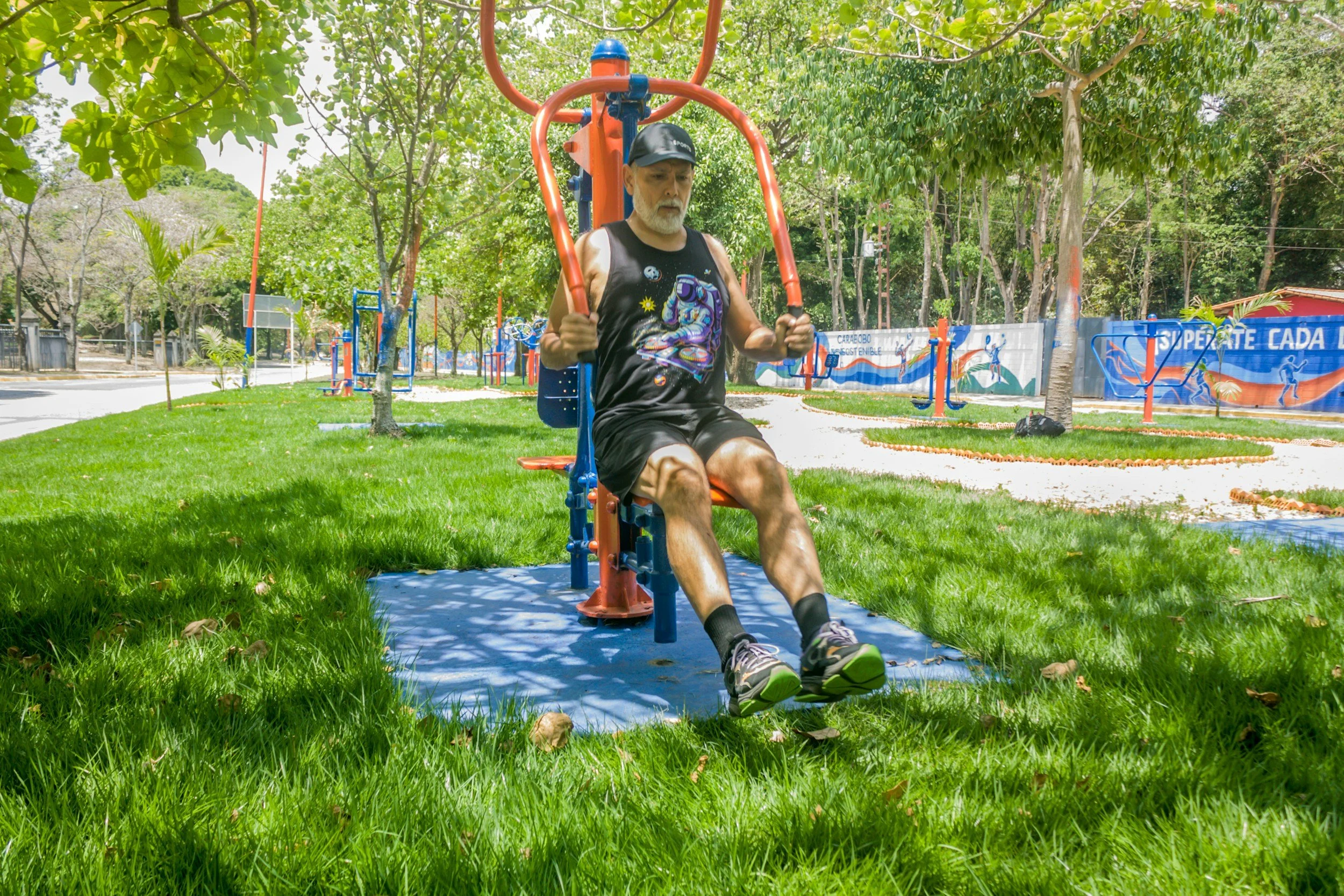
Changes in strength, balance, and walking ability can occur with age, but significant loss of function is not inevitable. Regular movement, appropriate strength training, balance practice, adequate nutrition, and attention to medical conditions can help older adults remain active and independent.
The right program depends on current ability. Someone who hikes regularly will need a different plan from someone recovering from a fall or struggling to stand from a chair. The goal is to begin at a safe level and progress gradually.
Include Three Types of Activity
Federal physical activity guidance recommends that adults 65 and older combine aerobic activity, muscle strengthening, and balance work.
For generally healthy older adults, the weekly target is:
At least 150 minutes of moderate-intensity aerobic activity, or 75 minutes of vigorous activity, or an equivalent combination
Muscle-strengthening activity on at least two days
Regular balance activities
People who cannot yet reach those amounts should be as active as their conditions and abilities allow. Short sessions still count, and some movement is better than none.
An older adult with significant health concerns, recent surgery, repeated falls, chest symptoms, or a major change in mobility should consult a healthcare professional before beginning a new program.
Build Strength for Daily Tasks
Strength training is not limited to lifting heavy weights. It means asking the muscles to work against resistance.
Options include:
Repeatedly standing from a chair
Wall or countertop push-ups
Resistance-band exercises
Lifting light weights
Step-ups
Heel raises
Carrying groceries
Gardening
Exercises that use body weight
Focus on the major muscle groups, including the legs, hips, back, abdomen, chest, shoulders, and arms. Leg and hip strength are particularly important for getting out of chairs, climbing stairs, and recovering balance after a misstep.
Begin with resistance that allows controlled movement and good form. Increase the weight, repetitions, or difficulty gradually rather than changing everything at once.
Do not hold your breath while lifting. Breathe out during the effort and in while returning to the starting position. Avoid locking the knees or elbows.
Practice Balance Directly
Walking alone does not challenge every part of balance. Specific practice may include:
Standing with the feet closer together
Shifting weight from side to side
Standing on one foot with support nearby
Walking heel to toe
Walking sideways
Practicing controlled turns
Rising from a chair
Tai chi
Appropriate yoga exercises
The National Institute on Aging suggests aiming for about three balance sessions each week. Use a sturdy counter, wall, or chair for support when necessary, and have another person nearby if falling is a concern.
Balance exercises should feel challenging without feeling unsafe. A physical therapist can select exercises for someone with repeated falls, dizziness, neuropathy, stroke-related weakness, Parkinson’s disease, or other conditions affecting movement.
Keep Walking and Doing Aerobic Activity
Aerobic activity supports endurance—the ability to continue an activity without becoming excessively tired.
Depending on health and mobility, options may include:
Walking
Stationary cycling
Swimming
Water aerobics
Dancing
Low-impact exercise classes
Seated aerobic exercise
Moderate intensity generally means breathing faster while still being able to hold a conversation. The appropriate pace may differ substantially from one person to another.
It is not necessary to complete all 150 weekly minutes in long sessions. Ten- or fifteen-minute walks may be easier to manage and can be accumulated across the week.
Maintain Useful Flexibility
Flexibility helps with movements such as reaching, dressing, turning, and bending. Stretch after the muscles are warm rather than forcing a cold or stiff joint.
Move slowly and hold a comfortable position without bouncing. A stretch may create mild tension, but it should not cause sharp pain.
Flexibility work is useful, but it does not replace strength, balance, or aerobic activity. A well-rounded routine includes all of them.
Use Everyday Movement
Structured exercise is valuable, but daily movement also matters. Long periods of sitting can be interrupted by brief, manageable activity.
Practical options include:
Standing during television breaks
Walking to another room each hour
Taking a short walk after a meal
Carrying light groceries
Watering plants
Folding laundry while standing
Using stairs when safe
Parking slightly farther from an entrance
Walking indoors during poor weather
Choose activities connected to a useful purpose. Practicing the movements required in daily life can make a routine easier to maintain.
Support Muscle With Adequate Nutrition
Muscles need both activity and sufficient nutrition. Include a variety of nutrient-dense protein foods, such as seafood, eggs, dairy or fortified soy products, beans, lentils, nuts, seeds, poultry, and lean meat.
Spreading protein-containing foods across meals may be more practical than trying to obtain most of the day’s protein at dinner. Adequate calories and fluids also matter. Unintentional weight loss, poor appetite, dental problems, swallowing difficulty, and restrictive diets can all make it harder to maintain strength.
Protein needs vary with body size, health, activity, and medical conditions. People with kidney disease or other conditions requiring dietary limits should seek individualized guidance from a physician or registered dietitian rather than using a generic high-protein plan.
Review Health Factors That Affect Mobility
A decline in walking or balance may have a treatable cause. Discuss changes with a healthcare provider, particularly if they are sudden or worsening.
Relevant issues may include:
Medication side effects
Vision or hearing changes
Foot pain or unsuitable footwear
Arthritis
Low blood pressure when standing
Nerve problems
Vitamin deficiencies
Osteoporosis
Heart or lung conditions
Depression
Memory changes
Inadequate sleep
Ask a doctor or pharmacist to review prescription and nonprescription medications that may cause dizziness, sleepiness, or low blood pressure. Do not stop a medication without professional guidance.
Use Mobility Aids Correctly
A cane, walker, rollator, or wheelchair can preserve independence when it matches the user’s needs and environment. A device that is the wrong height or used incorrectly may increase strain or fall risk.
A physical or occupational therapist can recommend and fit equipment, teach safe turning and transfers, and assess whether the home needs grab bars, railings, better lighting, or clearer walking paths.
Reassessment is appropriate after a fall, hospitalization, major health change, or noticeable decline in mobility.
Progress Without Rushing
Begin with an amount that can be completed with good control. A simple starting routine might include five to ten minutes of walking, several chair stands, and supported balance practice.
Increase one element at a time. For example, add a few minutes to a walk before also increasing speed and adding hills.
Mild muscle soreness can occur after an unfamiliar activity. Stop and seek medical guidance for chest pain, fainting, severe shortness of breath, a new irregular heartbeat, sudden weakness, or severe joint or muscle pain.
Use a Simple Weekly Structure
A routine might include:
Walking or another aerobic activity on most days
Strength exercises on two nonconsecutive days
Short balance practice three or more days
Gentle flexibility after activity
Easier days for recovery
Exercises can overlap. Tai chi, dancing, gardening, and some group classes may combine endurance, strength, coordination, and balance.
Consistency matters more than making every session difficult. The most useful program is one that is safe, repeatable, and connected to the activities the person wants to continue doing.
This article provides general information and is not a substitute for individualized medical or exercise guidance.
