
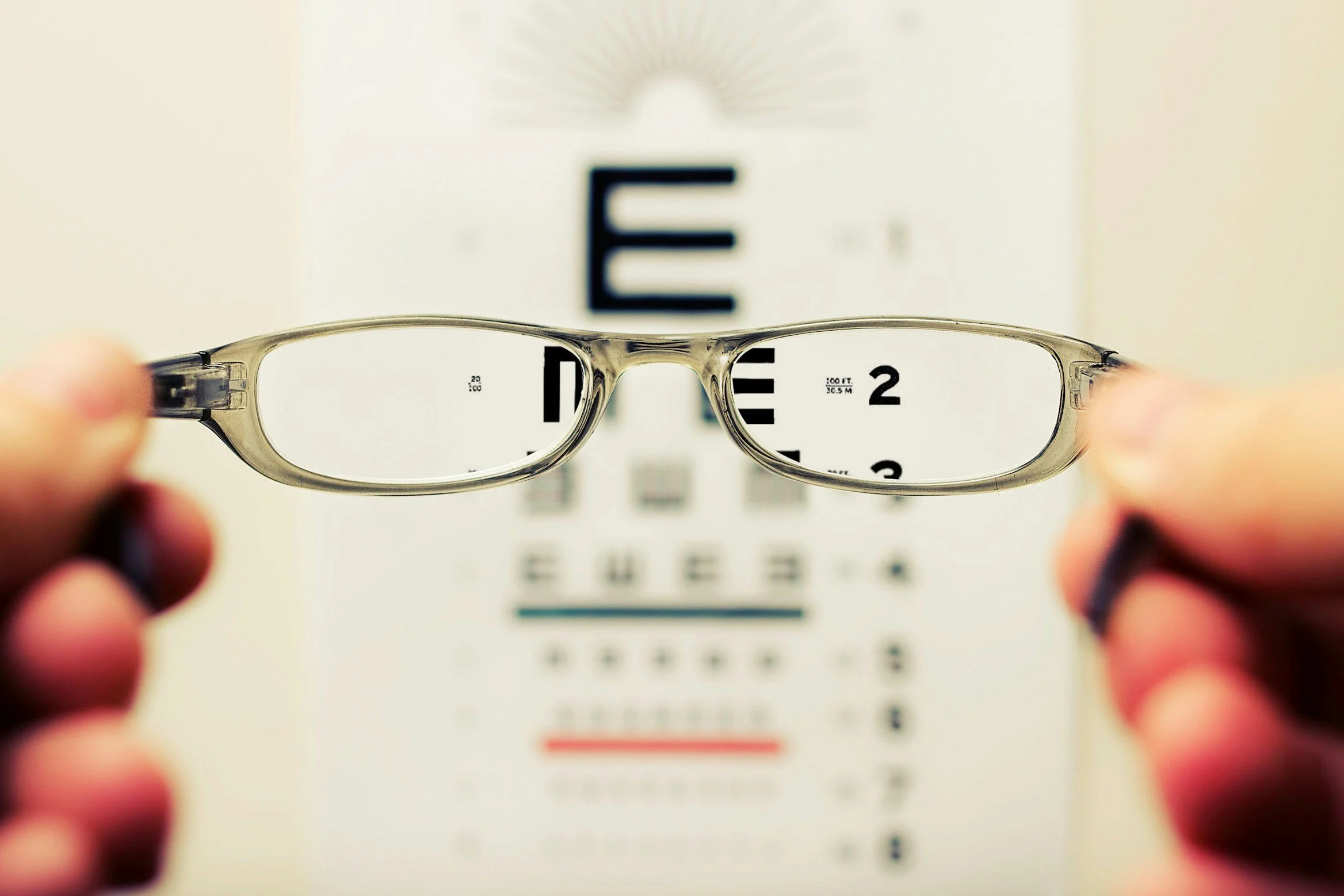
Regular eye exams become increasingly important with age. Some eye conditions develop gradually and may not produce noticeable symptoms in their early stages. A comprehensive exam can check vision, update a prescription, and look for signs of conditions such as cataracts, glaucoma, diabetic retinopathy, and age-related macular degeneration.
A little preparation can help the eye doctor understand what has changed and make the appointment more useful.
Confirm What Type of Exam Is Scheduled
Ask whether the appointment includes a comprehensive dilated eye exam or only a vision screening or prescription check. These services are not necessarily the same.
During a comprehensive exam, the eye doctor may evaluate:
Near and distance vision
Peripheral vision
Eye movement and alignment
Pupil response
Pressure inside the eyes
The retina and optic nerve
The need for glasses or contact lenses
Dilation allows the doctor to examine structures inside the eye more clearly. The National Eye Institute advises adults over age 60 to discuss how often they need a dilated exam; many are advised to have one every one to two years. People with diabetes, high blood pressure, a family history of glaucoma, or an existing eye condition may need a different schedule.
Check Insurance and Appointment Details
Before the visit, confirm whether the office accepts the patient’s insurance and whether a referral is required. Ask what portions of the exam are covered and whether retinal imaging, contact lens evaluations, or refraction for a glasses prescription carry separate charges.
Confirm the office location, appointment time, and expected length of the visit. A dilated exam may take longer because the drops need time to work.
If mobility is a concern, ask about accessible parking, elevators, seating, and space for a walker or wheelchair.
Write Down Recent Vision Changes
It can be difficult to remember every concern once the appointment begins. Make a short list of symptoms and when they started.
Mention changes such as:
Blurry or cloudy vision
Trouble reading small print
Difficulty seeing in low light
Increased glare from headlights
Colors appearing less vivid
Eye dryness, burning, or watering
Double vision
Frequent changes in a glasses prescription
Trouble judging steps or distances
Difficulty recognizing faces
A missing, distorted, or dark area in the visual field
Note whether the problem affects one eye or both and whether it is constant or comes and goes. Describe how it affects everyday activities such as reading, driving, cooking, using stairs, or watching television.
Do Not Wait for a Routine Appointment With Sudden Symptoms
Certain symptoms require prompt medical attention rather than waiting for a scheduled checkup. Contact an eye care professional immediately for sudden vision loss, a sudden increase in floaters, flashes of light, a curtain-like shadow across the vision, severe eye pain, or new double vision.
Eye redness accompanied by pain, swelling, injury, or a sudden vision change should also be evaluated promptly.
Prepare a Complete Medication List
Bring an updated list of prescription medications, over-the-counter products, vitamins, and supplements. Include eye drops, even if they are used only occasionally.
For each product, note:
Name and strength
Dose
How often it is used
Reason for taking it
Prescribing clinician
Some medications can affect vision, eye pressure, tear production, or the way the pupils respond. Do not stop a medication before the appointment unless the prescribing clinician has instructed you to do so.
Also list medication allergies and previous reactions to eye drops or contrast dyes.
Gather Personal and Family Eye History
Tell the eye doctor about previous eye injuries, infections, surgeries, or treatments. Bring the date of the last eye exam if it is available.
Family history can also affect risk. Ask close relatives whether anyone has been diagnosed with glaucoma, macular degeneration, retinal disease, or another significant eye condition.
The eye doctor should also know about health conditions that may affect the eyes, including diabetes, high blood pressure, autoimmune disease, or a history of stroke.
Bring Current Glasses and Vision Aids
Bring every pair of glasses used regularly, including reading glasses, distance glasses, computer glasses, sunglasses, and prescription safety glasses. If the patient uses a magnifier or another low-vision device, bring it when practical.
The office may compare the current prescription with the new test results. Mention whether the glasses cause headaches, distortion, dizziness, or difficulty using stairs.
Contact lens users should ask whether they should wear their lenses to the appointment. Bring the lens packaging or prescription information and a storage case in case the lenses must be removed.
Plan for Dilated Pupils
Dilating drops widen the pupils so the doctor can examine the inside of the eyes. Afterward, vision may be blurry and the eyes may remain sensitive to light for several hours.
Bring sunglasses for the trip home. A wide-brimmed hat may also make outdoor light more comfortable.
The National Eye Institute recommends arranging for a friend or family member to drive after dilation. Even if someone has driven safely after previous exams, the strength and duration of the effect can vary. Ask the office about its recommendations when scheduling.
Avoid planning visually demanding activities immediately afterward. Reading, using a phone, or working at a computer may be uncomfortable until the drops wear off.
Bring a Support Person When Helpful
A trusted relative, friend, or caregiver can help with transportation, describe changes, take notes, and remember follow-up instructions. This can be useful when the patient has hearing difficulty, memory concerns, multiple health conditions, or a complicated medication list.
The patient should remain involved in the conversation. Before the visit, decide which concerns the support person should help explain and whether the office needs written permission to discuss medical information.
Know What to Expect During the Exam
A routine exam may begin with questions about symptoms, health history, medications, and daily activities. The eye care team may then perform several tests.
These may include reading an eye chart, checking side vision, measuring eye pressure, testing eye movements, and using lights or magnifying instruments to examine the eyes. Dilating drops may sting briefly.
Tell the eye doctor if a position is uncomfortable or if the patient needs help transferring into an examination chair. Most tests can be adjusted, and breaks can be taken when necessary.
Prepare Questions for the Eye Doctor
A written question list can keep the conversation focused. Consider asking:
Has my vision changed since my last exam?
Do I need a new glasses prescription?
Are there signs of cataracts, glaucoma, or retinal disease?
How often should I have a dilated eye exam?
Could any medication be affecting my eyes?
Are my current eye drops still appropriate?
Is my vision adequate for driving?
Could my vision be contributing to falls or difficulty with stairs?
Would brighter lighting or a magnifier help?
Which symptoms should prompt an urgent call?
When should I schedule my next appointment?
If the doctor identifies a condition, ask for its name, what was observed, whether treatment is needed, and how it will be monitored.
Review Instructions Before Leaving
Before checking out, make sure the patient or support person understands the results and next steps. Confirm whether there is a new prescription, medication change, referral, or follow-up test.
For prescribed eye drops, ask staff to demonstrate the correct technique. Confirm how many drops to use, how often to use them, and whether different drops must be separated by a certain amount of time.
Request written or large-print instructions if they would be easier to follow. Schedule the next appointment before leaving when possible.
Make the Exam Part of a Broader Safety Plan
Vision affects more than reading. It can influence driving, balance, medication use, cooking, and the ability to notice hazards around the home.
If the exam identifies reduced vision, ask about practical changes such as brighter lighting, stronger contrast on stairs, large-print labels, magnification, or a low-vision evaluation. Updating an outdated prescription may also make everyday movement easier and safer.
A routine eye exam is most useful when the doctor receives an accurate picture of the patient’s health, medications, symptoms, and daily challenges. Preparing these details in advance can lead to clearer answers and a more productive appointment.
Disclaimer: This article provides general educational information and is not individualized medical advice. Eye-exam schedules vary according to age, health history, symptoms, and risk factors. Contact a qualified eye care professional for personal recommendations, and seek prompt care for sudden vision changes or severe eye symptoms.
