
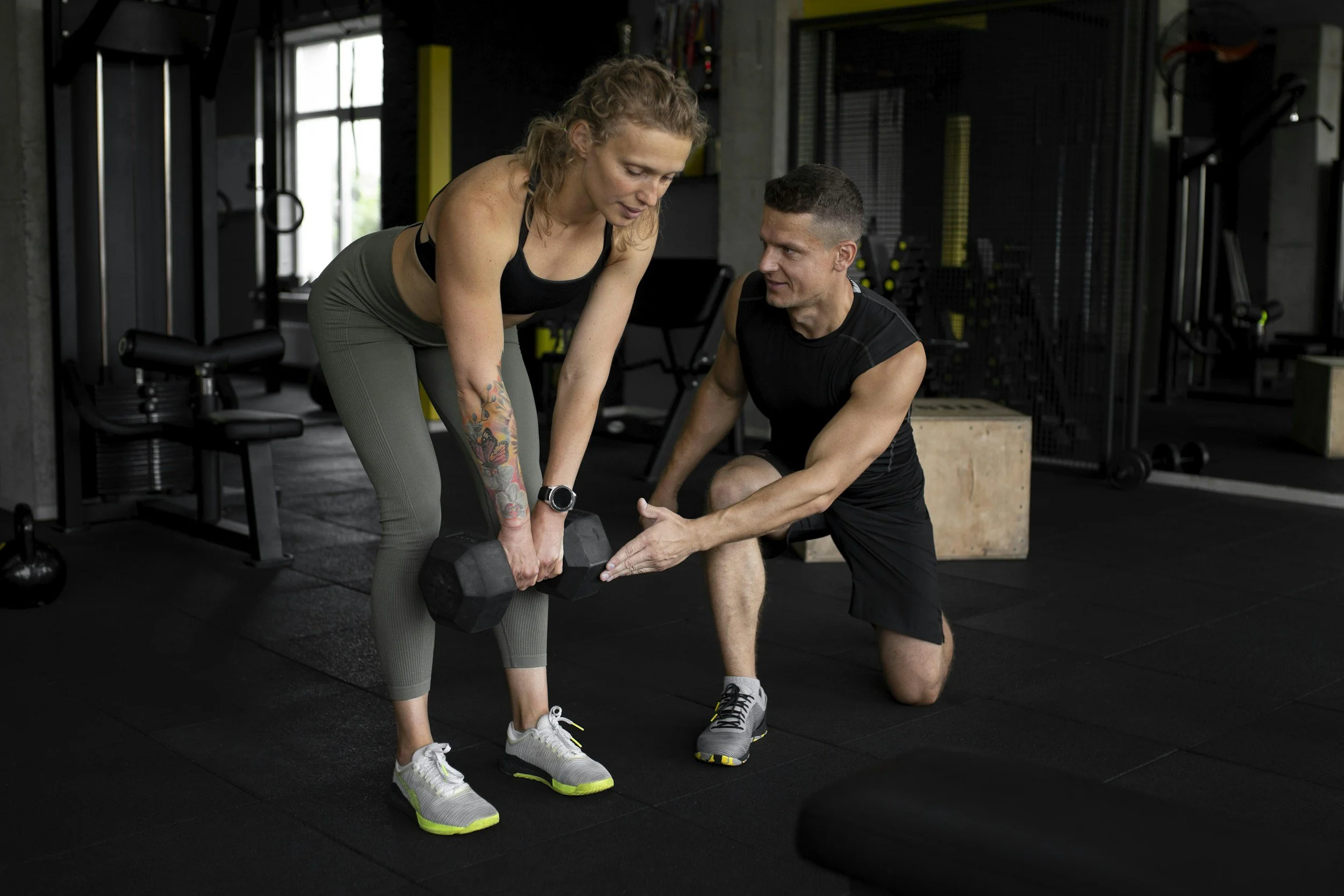
Strength training can make everyday activities such as rising from a chair, climbing stairs, carrying groceries, and getting up from the floor easier. It does not require heavy weights or complicated gym equipment.
Federal physical activity guidelines recommend that adults age 65 and older perform muscle-strengthening activities on at least two days each week. These activities should work the major muscle groups, including the legs, hips, back, abdomen, chest, shoulders, and arms.
Beginners can start with body weight, light resistance bands, or carefully selected machines. The priority is learning controlled movement and progressing gradually.
Ask Whether Medical Guidance Is Needed
Moderate physical activity is safe for many people, but some older adults should seek individualized guidance before beginning or substantially changing a strength program.
Consult a healthcare professional or physical therapist when there is:
A recent surgery or joint replacement
Uncontrolled heart or blood pressure problems
Osteoporosis or a previous fragility fracture
Frequent dizziness or fainting
A recent fall
Severe arthritis or persistent joint pain
A condition affecting balance or sensation
A neurological condition
Significant vision loss
An injury that has not healed
Uncertainty about exercise restrictions
Ask which movements, positions, and resistance levels are appropriate. A physical therapist can also adapt exercises to mobility limitations and current ability.
Learn Basic Technique First
Use a light resistance that allows the movement to remain smooth. Practice without weights when learning a new exercise.
Good technique generally includes:
Moving through a comfortable range
Keeping joints aligned
Maintaining a stable position
Lifting and lowering with control
Avoiding sudden jerking
Stopping before form breaks down
A qualified trainer, physical therapist, or beginner class can help establish safe form. Look for someone experienced in working with older adults and health limitations.
Begin With Stable Exercises
Exercises performed while seated, holding a secure support, or using a stable machine may feel safer than unsupported movements.
Beginner options may include:
Sitting down and standing up from a sturdy chair
Wall or counter push-ups
Seated knee extensions
Heel raises while holding a counter
Resistance-band rows
Light overhead presses when appropriate
Standing hip movements with support
Gentle core-bracing exercises
A chair used for support should not have wheels or slide easily. A countertop, fixed rail, or other secure surface is safer than lightweight furniture.
Clear the Exercise Area
Falls and collisions are preventable when the exercise space is prepared in advance.
Remove:
Loose rugs
Electrical cords
Clutter
Pet toys
Low furniture
Unstable chairs
Wet or slippery items
Use a well-lit space with enough room to move. Keep a phone nearby if exercising alone, but place it where it will not become a tripping hazard.
Wear Supportive Footwear
Choose shoes that fit securely and provide appropriate traction. Avoid exercising in loose slippers, unstable sandals, or socks on a smooth floor.
Some seated or floor exercises may be performed without shoes, but standing movements require a stable surface and secure footing. Follow any footwear recommendations provided by a clinician for foot, balance, or orthopedic conditions.
Warm Up Before Adding Resistance
A warm-up allows breathing, circulation, and muscle activity to increase gradually.
Spend several minutes on gentle movements such as:
Easy walking
Marching while seated or standing
Shoulder rolls
Ankle movements
Slow practice repetitions without resistance
The warm-up should not cause exhaustion. Its purpose is to prepare for the planned exercises.
Start With Less Than You Think You Can Do
The first few sessions should establish a comfortable starting point, not test maximum strength.
Begin with:
A small number of exercises
Light resistance
One controlled set
A comfortable number of repetitions
Longer rest periods when needed
Increase only one part of the program at a time. For example, add a few repetitions before choosing a heavier weight. Avoid increasing resistance, exercise count, and session length all in the same week.
Use a Manageable Level of Effort
The final repetitions may feel challenging, but they should remain controlled. Stop the set when technique changes, a joint becomes painful, or the movement can no longer be completed smoothly.
Muscle effort is expected. Sharp, sudden, or worsening pain is not.
A resistance level is probably too heavy when the person must:
Hold their breath
Swing the weight
Use momentum
Twist to finish
Shorten the movement substantially
Lose balance
Drop the weight after the final repetition
Reduce the resistance and restore control.
Keep Breathing
Do not hold the breath while lifting. Breath-holding can produce unnecessary pressure changes and may be especially concerning for people with certain cardiovascular conditions.
A simple pattern is to exhale during the harder part of the movement and inhale during the easier return. The exact timing matters less than continuing to breathe regularly.
If counting aloud helps prevent breath-holding, quietly count each repetition.
Allow Recovery Between Sessions
The National Institute on Aging advises avoiding work for the same muscle group on consecutive days. Recovery allows muscles to respond to training and reduces unnecessary soreness.
Two weekly full-body sessions on nonconsecutive days can be a practical starting schedule. For example, train on Monday and Thursday or Tuesday and Friday.
Light walking and normal daily movement can continue on recovery days when comfortable.
Expect Mild Soreness, Not Severe Pain
A beginner may notice mild muscle soreness after a new workout. It should not prevent normal movement or continue worsening for several days.
Reduce the next session when soreness is substantial. Seek professional advice for:
Sharp or severe pain
New joint swelling
Significant bruising
Pain that changes walking
Persistent weakness
Numbness or tingling
Symptoms that do not improve with rest
Do not use pain medication simply to push through an exercise that repeatedly causes pain without discussing the problem with a healthcare professional.
Protect Joints With Comfortable Movement
Not every exercise fits every body. A deep squat, overhead movement, or floor exercise may be inappropriate for someone with a particular joint condition or mobility limitation.
Modify by changing:
Range of motion
Resistance
Body position
Speed
Equipment
Number of repetitions
A smaller pain-free movement is more useful than forcing a larger range. Joint pain should not be treated as proof that an exercise is effective.
Combine Strength With Balance Practice
Older adults are advised to include balance activities along with aerobic and muscle-strengthening exercise. Some strength movements, such as controlled chair stands and supported heel raises, can also challenge balance.
Perform balance exercises near a secure support. Do not close the eyes, stand on an unstable surface, or remove hand support until the easier version is consistently safe.
Someone with repeated falls or major balance concerns may benefit from supervised assessment rather than independent progression.
Use Resistance Bands Carefully
Bands are inexpensive and easy to store, but worn bands can snap.
Before each use:
Check for cracks, tears, or thinning
Confirm that handles are secure
Anchor the band only to a stable object
Keep it away from sharp edges
Avoid stretching it toward the face
Replace damaged bands
Do not attach a band to a lightweight chair, door handle, or object that could move unexpectedly.
Handle Weights Safely
Store weights where they will not become tripping hazards. Pick them up with control and avoid twisting while lifting from the floor.
For heavier equipment:
Use secure collars when required
Confirm benches and machines are adjusted correctly
Keep fingers clear of moving parts
Ask for help changing equipment settings
Use supervision when attempting an unfamiliar lift
Older beginners do not need to test a one-repetition maximum. Progress can be measured through better control, more comfortable repetitions, or easier daily tasks.
Pay Attention to Medications and Timing
Some medications can affect blood pressure, heart rate, balance, hydration, or blood sugar. Ask a pharmacist or healthcare professional whether medication timing changes exercise precautions.
People managing diabetes may need individualized guidance about food, medication, glucose monitoring, and exercise. Anyone prone to dizziness should rise slowly from seated or floor positions.
Choose a time of day when energy and balance are usually best.
Stop for Warning Symptoms
End the session and seek prompt medical guidance for unusual symptoms such as:
New or significant dizziness
Unusual shortness of breath
Irregular or racing heartbeat
Severe headache
New weakness
Loss of balance
Pain that is not typical muscle effort
Chest pressure or pain, fainting, severe breathing difficulty, or symptoms suggesting a medical emergency require immediate emergency assistance.
Keep a Simple Training Record
Write down:
Exercises completed
Resistance used
Number of repetitions
How the session felt
Pain or unusual symptoms
Changes made
A short record helps prevent accidental increases and shows whether strength is improving. Progress may appear as easier chair stands, better control, or the ability to use slightly more resistance.
Strength training should support daily life, not leave an older beginner exhausted or unable to complete normal activities. Start with stable exercises, light resistance, controlled technique, regular breathing, and enough recovery. Gradual progress is both safer and more sustainable than trying to advance quickly.
Disclaimer: This article provides general educational information and is not individualized medical, rehabilitation, or exercise advice. Safe exercises and appropriate resistance vary with health conditions, medications, injuries, surgeries, balance, and current ability. Consult a qualified healthcare professional when personal guidance is needed.
