
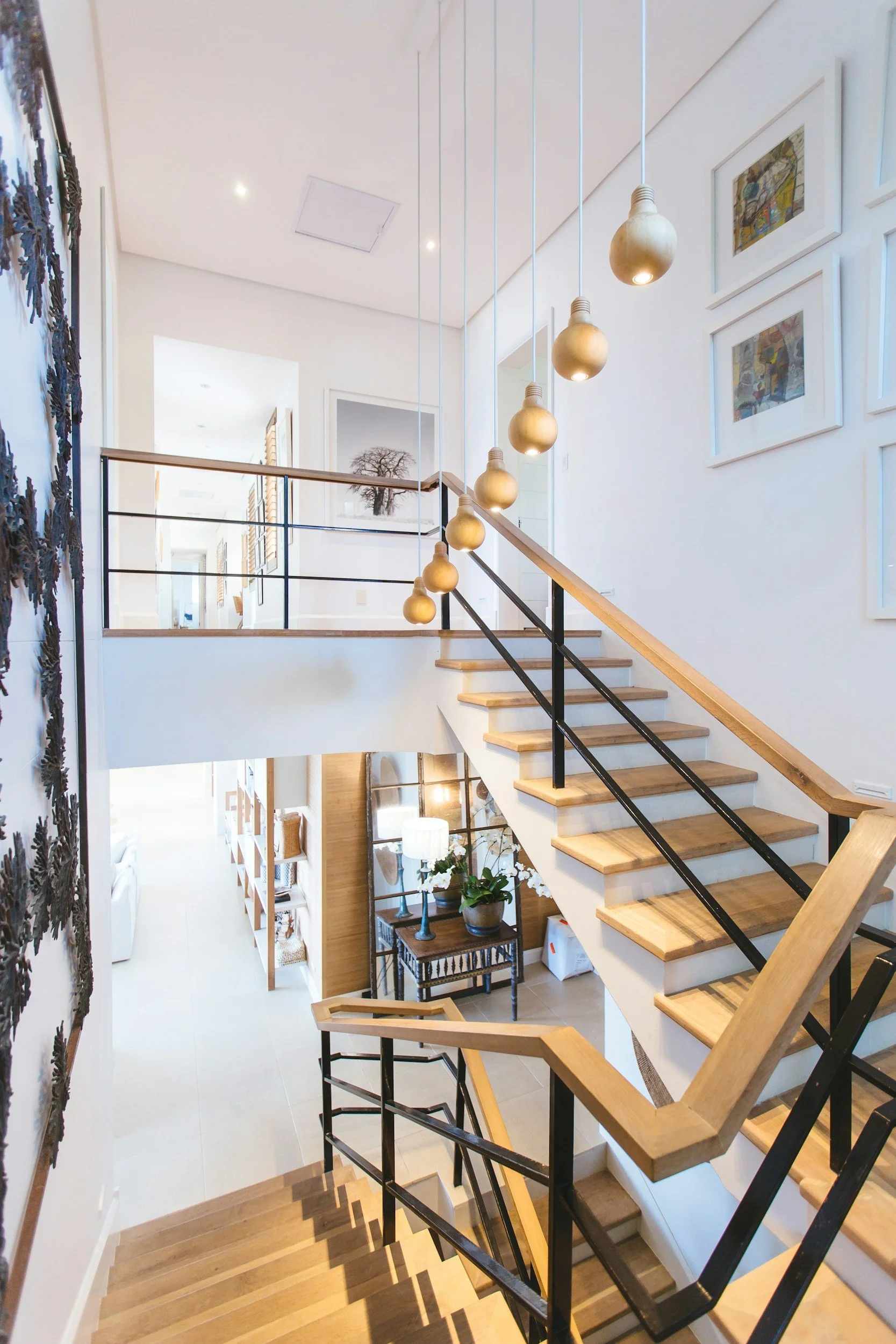
Stairs and entryways combine several common fall risks: changes in floor height, limited space, wet surfaces, poor lighting, and objects carried through the doorway. These areas can become more difficult to navigate when someone has reduced vision, balance changes, joint pain, or uses a cane or walker.
A careful safety review should cover the walking surface, lighting, handrails, weather exposure, and the way the space is used every day.
Begin With a Clear Walking Path
Remove anything that requires a person to step around, over, or between objects.
Common hazards include:
Shoes
Packages
Umbrellas
Pet supplies
Electrical cords
Decorative baskets
Plant stands
Loose tools
Newspapers
Items waiting to be carried upstairs
Create a permanent place for deliveries, shoes, keys, and bags that does not narrow the walkway. A wall hook, narrow shelf, or stable bench may help, provided it does not become another obstacle.
Keep stair landings completely clear. Even a familiar object can cause a fall when someone is tired, distracted, or carrying something.
Check Every Step for Damage
Inspect indoor and outdoor stairs from the top, bottom, and side.
Look for:
Loose or uneven steps
Cracked concrete
Rotting wood
Raised nails or screws
Worn stair edges
Loose tile
Torn carpet
Sagging boards
Changes in step height or depth
Movement when weight is applied
Arrange repairs promptly. A temporary warning may help others avoid the area, but tape or a sign is not a substitute for fixing an unstable step.
Do not attempt structural stair repairs without the necessary skills. A qualified contractor can evaluate movement, rot, loose framing, and code-related concerns.
Install Secure Handrails on Both Sides
Handrails provide support during both ascent and descent. Current fall-prevention guidance recommends rails on both sides of a stairway when possible.
A useful handrail should:
Extend for the full stairway
Be easy to grasp
Remain at a consistent height
Feel secure when pulled or pushed
Have no sharp or broken areas
Allow the hand to slide along it without obstruction
Test rails for movement. Tightening visible screws may not solve the problem if the mounting surface or framing is damaged.
Decorative rails that are too wide to grasp may not provide dependable support. A contractor or occupational therapist can help identify a safer shape and placement.
Improve Lighting at the Top and Bottom
The first and last steps can be difficult to judge when lighting is uneven. Provide bright, consistent light across the stairway and both landings.
Helpful improvements include:
Light switches at both ends of the stairs
Motion-activated entry lighting
Nightlights near the route
Fixtures that illuminate every step
Higher-output bulbs within the fixture’s rating
Clean covers and shades
Prompt replacement of failed bulbs
Position lights to reduce glare and deep shadows. A bright bulb facing directly toward someone entering the home can briefly make the stairs harder to see.
If a bulb is difficult to reach, ask someone else to replace it. Do not stand on a stair, chair, or unstable ladder to reach a fixture.
Make Step Edges Easier to See
Low contrast can make one step blend into the next. This may be a particular problem when the flooring, risers, and landings are all the same color.
A contrasting strip at the front edge of each step may improve visibility. The material should be securely attached, slip-resistant, and applied consistently.
Avoid busy patterns that can make depth harder to judge. Loose tape, thick strips, or curled edges can create new trip hazards.
An occupational therapist or vision professional can recommend changes for someone with low vision or difficulty judging depth.
Secure Carpet and Stair Treads
Carpet should be firmly attached to every step. Repair ripples, tears, loose edges, and exposed fasteners.
If stairs are uncarpeted, use a slip-resistant surface appropriate for the stair material. Individual mats should not slide, curl, or create a raised edge.
Do not place a loose runner at the top or bottom of a stairway. If a mat is needed at an exterior door, choose one that is low-profile, nonslip, and large enough to remain flat.
Check the floor beneath mats for trapped moisture.
Inspect Door Thresholds
A raised or damaged threshold can catch the front of a shoe, cane, or walker.
Check for:
Loose transition strips
Unexpected changes in floor height
Worn door sweeps
Cracked tile
Curling flooring
Narrow spaces that restrict a mobility aid
Doors that require excessive force to open
A threshold may be modified or replaced, but exterior doors still need weather protection and proper drainage. Ask a qualified professional about changes that preserve both accessibility and weather resistance.
Add a Stable Place to Pause
A sturdy bench or chair near the entrance can make it easier to put on shoes, manage a coat, or recover after walking.
Choose seating that:
Does not block the door
Has a firm seat
Does not slide
Includes arms when helpful
Allows the person to stand without pulling on unstable furniture
Keep frequently used outdoor items within comfortable reach. Reaching overhead or bending deeply while balancing near a doorway can increase risk.
Control Rain, Snow, and Ice
Outdoor entryways need regular attention during changing weather.
Clear:
Snow
Ice
Wet leaves
Mud
Moss
Standing water
Loose gravel
Fallen branches
Repair gutters and drainage problems that repeatedly release water onto steps or walkways. Treat icy surfaces with a product suitable for the material, household pets, and local conditions.
Keep snow-removal supplies accessible from inside so no one must cross an untreated surface to retrieve them. If clearing the area is physically unsafe, arrange help before severe weather arrives.
Check Ramps and Porch Surfaces
A ramp should not be treated as automatically safer than stairs. It also needs secure rails where appropriate, a slip-resistant surface, adequate width, and level areas for opening doors.
Inspect porches, decks, and ramps for:
Loose boards
Rot
Uneven sections
Weak railings
Poor drainage
Algae or moss
Gaps that catch cane or walker tips
Clutter near the door
A ramp that is too steep can be difficult to use independently. Have new ramps designed and installed according to applicable building and accessibility requirements.
Keep One Hand Available
Carrying laundry, groceries, or several packages can prevent someone from using the handrail and seeing the steps.
Safer options include:
Making several smaller trips
Using a small crossbody bag
Asking for assistance
Placing items in a secure stair basket that someone else moves
Using delivery services for heavy products
Keeping frequently used items on the main floor
Do not carry an object large enough to block the view of the next step.
Manage Pets Around Doorways and Stairs
Pets may rush toward an opening door, wait on a landing, or move between someone’s feet.
Use a consistent routine when guests or deliveries arrive. A gate, closed interior door, leash, or trained waiting area may keep the path clear.
Pet gates must be securely installed and appropriate for their location. Stepping over a gate at the top or bottom of stairs creates another hazard.
Keep toys, bowls, beds, and leashes away from the main walking route.
Wear Supportive Footwear
Shoes should fit properly and provide traction. Loose slippers, worn soles, high heels, and walking in socks on smooth stairs can increase instability.
Keep suitable indoor or outdoor footwear near the entrance without leaving it in the path. Sit down when changing shoes rather than balancing on one foot.
Anyone using a cane or walker should confirm that rubber tips, glides, wheels, and brakes remain in good condition.
Avoid Rushing to the Door
A ringing phone, doorbell, alarm, or delivery notification can cause someone to move faster than usual.
Use practical alternatives:
A video doorbell
A doorbell with adjustable volume
A lockbox for approved caregivers
Delivery instructions that do not require an immediate response
A phone kept within reach
Extra time for visitors to wait
No delivery is worth hurrying down stairs or across a wet entrance.
Ask for Changes in a Rental or Shared Building
Renters and residents of condominiums or senior communities may not have authority to repair common stairs, railings, lighting, or exterior walkways.
Report hazards in writing to the landlord, property manager, homeowners association, or facility staff. Include the exact location, photographs, and a clear description of the problem.
Keep the maintenance request and response. Urgent structural, lighting, snow-removal, or access problems may also fall under local housing or building requirements.
Consider a Professional Home Safety Review
An occupational therapist, physical therapist, aging-in-place specialist, or other qualified professional can evaluate how the person actually moves through the space.
A review may be especially useful after:
A fall or repeated near-falls
A hospital or rehabilitation stay
A change in vision
New use of a cane or walker
Increasing weakness or dizziness
Difficulty entering the home
A move to a different residence
The most useful modification depends on the individual, the building, and the activity that creates difficulty.
Address Personal Fall Risks Too
Environmental changes are important, but falls may also involve medication effects, vision changes, blood pressure changes, muscle weakness, balance problems, or unsafe footwear.
Speak with a healthcare professional after a fall, repeated near-falls, new dizziness, or a noticeable change in walking. Seek urgent medical help after a fall involving a head injury, loss of consciousness, severe pain, inability to stand, or another serious symptom.
Use a Short Monthly Safety Check
Once a month, walk through the entryway and stairs during both daylight and nighttime conditions.
Confirm that:
Steps and landings are clear.
Railings are secure.
Lighting reaches every step.
Bulbs and sensors work.
Carpet and treads remain attached.
Mats lie flat.
Thresholds are secure.
Outdoor surfaces are dry and stable.
Frequently used items are easy to reach.
Small hazards tend to return as packages, shoes, weather, and daily routines change. Regular checks help keep the improvements useful over time.
This article provides general educational information and is not individualized medical, accessibility, or construction advice.
