
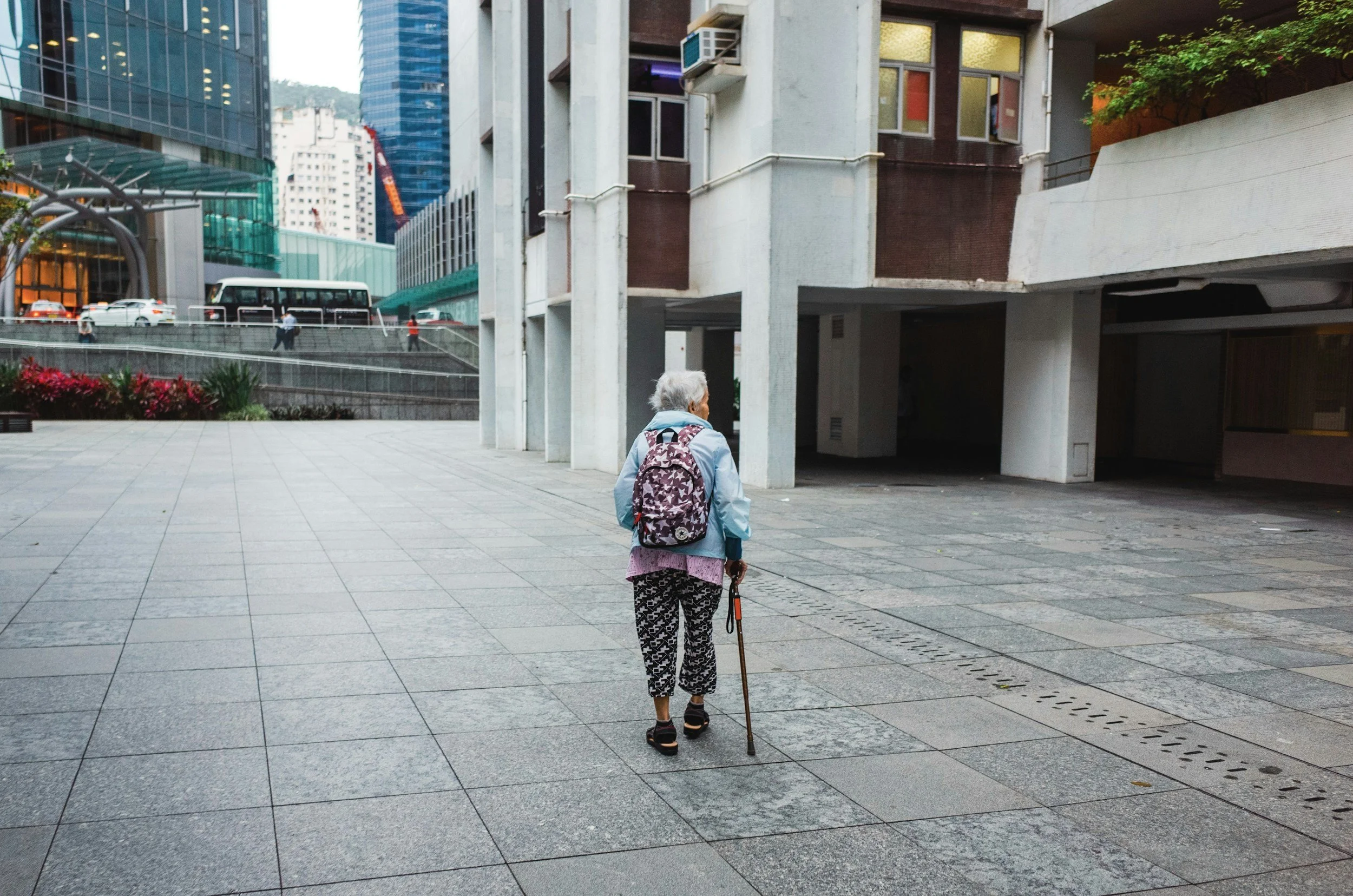
Walking farther can make everyday tasks easier, from shopping and attending appointments to traveling and keeping up with family. After age 65, the safest way to improve walking endurance is usually to begin at a manageable level and increase gradually.
There is no distance that every older adult should be able to walk. Current fitness, balance, joint health, medications, terrain, and medical conditions all affect what is realistic. Consistency matters more than reaching a particular step count.
Start With Your Current Ability
Before setting a distance goal, find a comfortable starting point. Choose a familiar, level route and walk at an easy pace. Stop before you become exhausted.
Your starting session might be:
Five minutes down the street and back
One lap around a building
Several short walks through the day
Ten minutes on an indoor track
A walk from one bench to the next at a local park
Record the time, approximate distance, and how you felt afterward. This gives you a useful baseline without pushing to your limit on the first day.
Older adults who have been inactive, recently had surgery, experienced falls, or live with heart, lung, joint, nerve, or balance conditions should ask a healthcare professional what level of walking is appropriate.
Build Time Before Speed
Increasing duration is often simpler than trying to walk faster immediately. Begin with a pace you could maintain without straining.
If a 10-minute walk feels comfortable, repeat it several times during the first week. When you can complete the walk without unusual pain, severe fatigue, or symptoms that linger into the next day, add a few minutes to one or two sessions.
A gradual progression might look like this:
Begin with 5 to 10 minutes, three or four days a week.
Repeat that schedule until it feels manageable.
Add 2 to 5 minutes to selected walks.
Maintain the new duration for several sessions.
Add another small amount when recovery remains comfortable.
This is an example, not a required schedule. Some people can progress faster, while others may need to maintain the same duration for several weeks. After an illness, injury, or long break, return at a lower level and build back gradually.
The National Institute on Aging recommends increasing physical activity slowly over weeks or months, beginning with an intensity appropriate for your current fitness.
Use the Talk Test to Check Your Pace
Moderate-intensity walking should raise your heart rate and make you breathe harder while still allowing you to speak. If you can talk but not sing comfortably, the pace is generally considered moderate.
If you cannot complete a short sentence, slow down. A comfortable pace still builds endurance, particularly for someone returning to activity.
Do not compare your speed with another walker’s. Hills, wind, heat, mobility aids, and individual health can change how demanding the same pace feels.
Warm Up and Cool Down
Begin each session with several minutes of easy walking. This allows breathing, heart rate, joints, and muscles to adjust gradually.
Near the end, reduce your pace rather than stopping suddenly. A gentle cool-down can be especially useful after a longer or faster walk.
If stretching feels helpful, do it after warming up or after the walk. Avoid forcing a joint beyond a comfortable range.
Choose a Safe Walking Route
A suitable route can make it easier to add distance without adding unnecessary risk. Look for:
Even sidewalks or smooth paths
Safe street crossings
Good lighting
Benches or other places to rest
Accessible restrooms
Shade during warm weather
A short loop that keeps you near the starting point
Reliable phone service when possible
A loop can be more practical than walking a long distance away from home and becoming too tired to return. Indoor malls, community centers, recreation facilities, and large stores can provide alternatives during bad weather.
The NIA’s outdoor exercise safety guidance recommends choosing routes with places to rest, using sidewalks or paths when possible, and watching for uneven ground.
Wear Supportive Shoes and Carry Essentials
Choose walking shoes that fit securely and provide stable footing. Replace shoes when the tread is worn unevenly or the cushioning no longer feels supportive.
Depending on the route and weather, consider carrying:
A charged phone
Identification
Emergency contact information
Water
Necessary medication, if directed
A walking aid that has been properly fitted
A light or reflective item in low visibility
Tell someone where you are going when walking alone. A walking partner or organized group can provide company, motivation, and help if a problem occurs.
Plan for Heat, Cold, and Poor Air Quality
Check the forecast before leaving. Hot, humid, icy, windy, or extremely cold conditions can make an ordinary route much harder.
On hot days, walk during a cooler part of the day, use shade, and take additional breaks. If a healthcare professional has restricted your fluid intake, ask for specific advice before changing how much you drink during exercise.
During cold or wet weather, wear layers and choose footwear with appropriate traction. Move indoors when sidewalks are icy or visibility is poor.
Air pollution and wildfire smoke can also make outdoor activity unsafe, particularly for people with heart or lung conditions. Check local air-quality information and use an indoor route when conditions are unhealthy.
Expect Some Effort, but Do Not Ignore Warning Signs
Mild muscle tiredness can occur when activity increases. Sharp pain, chest pressure, or sudden weakness should not be treated as normal training discomfort.
Stop walking and seek medical guidance if you develop:
New or worsening joint pain
Persistent dizziness
Unusual shortness of breath
Nausea
A racing or irregular heartbeat
Severe fatigue that does not improve with rest
New balance problems
Pain that changes your walking pattern
Call emergency services for chest pain or pressure, fainting, severe breathing difficulty, sudden weakness or numbness, or other possible signs of a medical emergency.
Add Strength and Balance Activities
Walking develops aerobic endurance, but it does not replace every type of exercise older adults need. Leg strength and balance can support safer, more efficient walking.
The CDC’s activity recommendations for adults 65 and older include at least 150 minutes of moderate-intensity aerobic activity each week, muscle-strengthening activity on at least two days, and activities that improve balance. People who cannot meet the full target should be as active as their abilities and health allow.
Chair rises, appropriate resistance exercises, and supervised balance practice may complement a walking program. A physical therapist or qualified exercise professional can help adapt these activities for mobility limitations.
Track More Than Steps
Step counts can be motivating, but they are not equally accurate on every device and do not show the full effort involved.
A simple walking log can include:
Date
Minutes walked
Route or approximate distance
Effort from easy to hard
Rest breaks
Pain, dizziness, or other symptoms
How you felt later that day and the next morning
Progress may mean walking longer, needing fewer breaks, recovering faster, or feeling more confident on a familiar route. It does not have to mean reaching a large daily step total.
Build a Routine You Can Maintain
Choose a schedule that works during an ordinary week, not only when the weather and energy level are perfect. Short walks count and can be combined throughout the day.
Increase one part of the routine at a time. Add duration before adding hills, speed, or difficult terrain. If the new level causes ongoing pain or excessive fatigue, reduce the distance and discuss the problem with a healthcare professional.
Walking endurance develops through repeated, manageable effort. A modest route completed regularly is a stronger foundation than one exhausting walk followed by several days of recovery.
This article provides general educational information and is not a substitute for individualized medical advice. Ask a qualified healthcare professional about exercise limitations, symptoms, or a safe activity plan for your circumstances.
